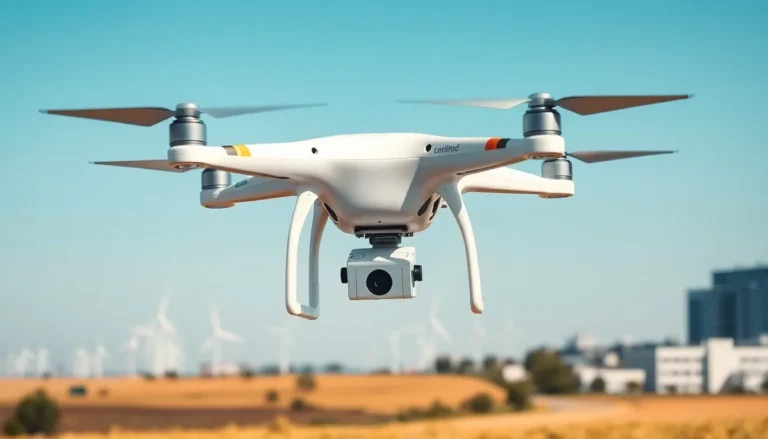
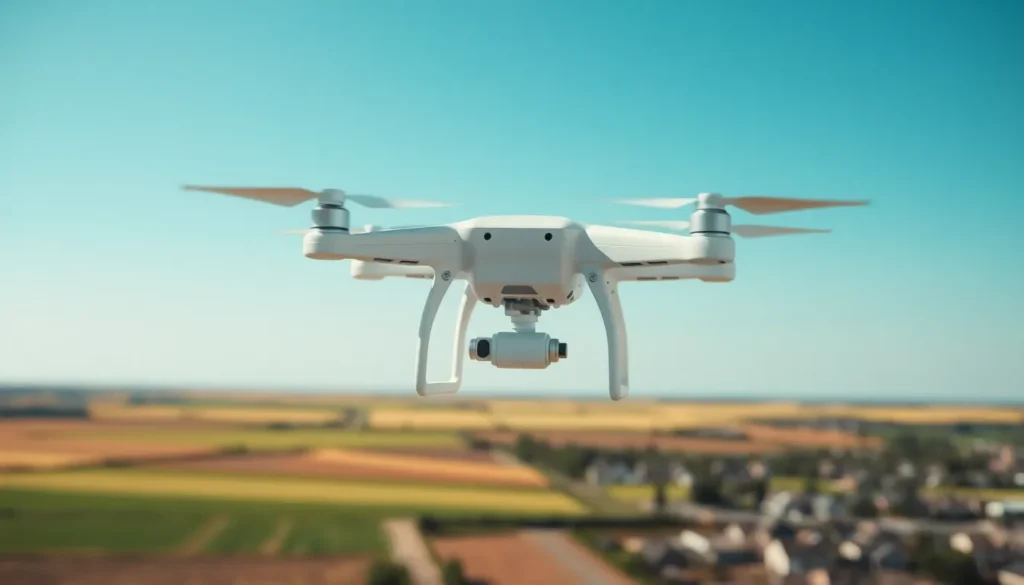

A drone is an unmanned aerial vehicle (UAV) that flies without a human pilot onboard. These aircraft operate through remote control or autonomous flight systems. Drones range from small consumer devices to large military aircraft. They have transformed industries including photography, agriculture, and package delivery. This article explains what drones are, how they work, their types, common uses, and the regulations that govern them.
Table of Contents
ToggleKey Takeaways
- A drone is an unmanned aerial vehicle (UAV) that operates through remote control or autonomous flight systems without a human pilot onboard.
- Drones rely on flight controllers, GPS modules, and various sensors to achieve stable, precise flight and navigation.
- The four main types of drones are multirotor, fixed-wing, single-rotor, and hybrid VTOL, each designed for specific applications.
- Common drone uses include aerial photography, agriculture monitoring, construction surveying, package delivery, and search-and-rescue operations.
- Drone regulations require registration, airspace awareness, and adherence to privacy laws—pilots should always check local rules before flying.
How Drones Work
Drones rely on several core components to achieve flight. Understanding these systems helps explain why drones have become so capable and widespread.
Flight Controllers and Sensors
Every drone contains a flight controller, essentially its brain. This central processor receives input from multiple sensors, including accelerometers, gyroscopes, and barometers. The accelerometer measures changes in speed. The gyroscope tracks orientation and rotation. The barometer determines altitude based on air pressure.
GPS modules allow drones to know their exact position. This enables features like return-to-home and waypoint navigation. More advanced drones include obstacle avoidance sensors that use ultrasonic waves, infrared, or cameras to detect objects.
Power Systems
Most consumer drones use lithium-polymer (LiPo) batteries. These batteries offer a good balance between weight and power output. Flight times typically range from 20 to 45 minutes depending on the drone’s size and battery capacity.
Larger industrial drones sometimes use hybrid power systems or fuel cells for extended flight times. Some military drones can stay airborne for over 24 hours.
Propulsion and Control
Multirotor drones, the most common type, use electric motors attached to propellers. A quadcopter has four rotors. By varying the speed of each rotor, the drone can move up, down, forward, backward, and rotate.
Fixed-wing drones work differently. They generate lift from their wings, similar to airplanes. These drones require forward motion to stay aloft but are more efficient for long-distance travel.
Types of Drones
Drones come in many forms, each suited for specific purposes. The type of drone someone needs depends entirely on their intended use.
Multirotor Drones
Multirotor drones are the most popular category. They include quadcopters (four rotors), hexacopters (six rotors), and octocopters (eight rotors). These drones excel at hovering in place and making precise movements. Photographers and videographers prefer them for aerial shots. But, they consume battery power quickly and have limited range.
Fixed-Wing Drones
Fixed-wing drones look like small airplanes. They cover large distances more efficiently than multirotors because their wings generate lift. Surveyors, farmers, and mappers use fixed-wing drones to scan vast areas. The downside? They cannot hover and need space to take off and land.
Single-Rotor Drones
Single-rotor drones resemble small helicopters. They combine some benefits of multirotors and fixed-wing designs. A single large rotor provides lift while a tail rotor controls direction. These drones carry heavier payloads than most multirotors. Industrial inspectors and researchers use them for specialized tasks.
Hybrid VTOL Drones
Vertical Take-Off and Landing (VTOL) hybrids merge multirotor and fixed-wing capabilities. They take off vertically like a quadcopter, then transition to horizontal flight like an airplane. This design allows operation in tight spaces while maintaining long-range efficiency. Delivery companies and search-and-rescue teams find these drones particularly useful.
Common Uses for Drones
Drones serve countless purposes across industries. Their ability to access hard-to-reach areas and capture aerial data has made them essential tools.
Photography and Videography
Filmmakers use drones to capture sweeping aerial shots that once required helicopters. Real estate agents showcase properties from above. Wedding photographers add dramatic perspectives. Consumer drones with 4K cameras cost a fraction of traditional aerial filming equipment.
Agriculture
Farmers deploy drones to monitor crop health, spray pesticides, and assess irrigation systems. Drones equipped with multispectral cameras detect plant stress before it becomes visible to the human eye. This precision farming approach reduces waste and increases yields.
Construction and Infrastructure
Construction companies use drones to survey sites, track progress, and create 3D models. Bridge inspectors fly drones under structures instead of setting up expensive scaffolding. Power companies check transmission lines without sending workers into dangerous situations.
Delivery Services
Companies like Amazon, UPS, and Wing are developing drone delivery programs. These services promise faster delivery times and reduced vehicle traffic. Medical supplies already reach remote areas via drone in countries like Rwanda and Ghana.
Search and Rescue
Emergency responders use drones equipped with thermal cameras to find missing persons. Drones can cover search areas quickly and access terrain that ground teams cannot. Some carry supplies to stranded individuals while rescue crews are en route.
Drone Regulations and Safety
Flying a drone comes with responsibilities. Governments worldwide have established rules to protect airspace, privacy, and public safety.
Registration Requirements
In the United States, the Federal Aviation Administration (FAA) requires registration for drones weighing between 0.55 and 55 pounds. Owners must display their registration number on the drone. Commercial operators need additional certification under Part 107 rules.
Other countries have similar requirements. The European Union Aviation Safety Agency (EASA) mandates registration and operator certificates. Drone pilots should check local laws before flying in any new location.
Airspace Restrictions
Drones cannot fly everywhere. Most countries prohibit flights near airports, military bases, and government buildings. In the U.S., operators must maintain visual line of sight and stay below 400 feet in uncontrolled airspace. Apps like B4UFLY help pilots identify restricted zones.
Privacy Considerations
Drones with cameras raise privacy concerns. Recording people without consent can violate privacy laws. Responsible drone operators avoid flying over private property and respect others’ personal space. Some areas have enacted specific anti-drone-surveillance legislation.
Safety Best Practices
Safe drone operation requires preparation. Pilots should inspect their drone before each flight, check weather conditions, and maintain a charged battery. Flying near crowds, wildlife, or in poor visibility increases risk. Following manufacturer guidelines and local regulations keeps everyone safe.