
Drones for beginners have become more accessible, affordable, and easier to fly than ever before. Whether someone wants to capture stunning aerial photos or simply enjoy a new hobby, drones offer an exciting entry point into modern technology. This guide covers everything a new pilot needs to know, from understanding how drones work to choosing the right model and flying safely within legal boundaries. By the end, readers will have the confidence to pick up their first drone and take to the skies.
Table of Contents
ToggleKey Takeaways
- Drones for beginners are more accessible than ever, with entry-level models ranging from $50 to $300 depending on features and camera quality.
- Look for beginner-friendly features like altitude hold, headless mode, and propeller guards to make learning easier and safer.
- Master hovering and basic controls in open, wind-free spaces before attempting advanced maneuvers.
- Register your drone with the FAA if it weighs over 0.55 pounds, and always fly below 400 feet within your visual line of sight.
- Use apps like B4UFLY to check airspace restrictions and avoid flying near airports, crowds, or restricted areas.
- Expect 10–15 hours of practice before flying drones for beginners becomes comfortable and intuitive.
What Is a Drone and How Does It Work?
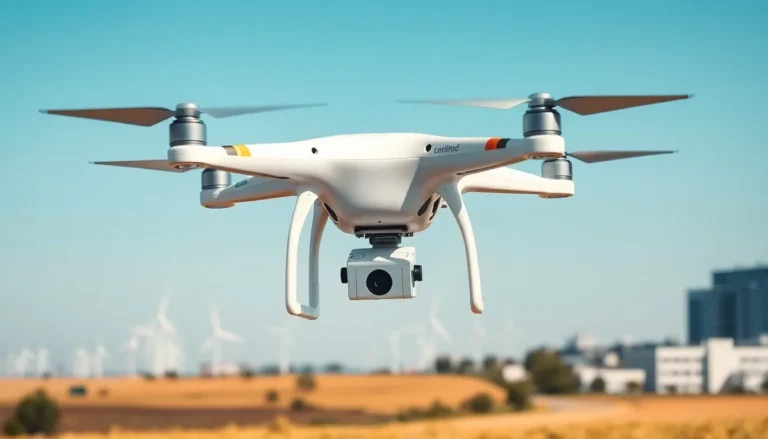
A drone is an unmanned aerial vehicle (UAV) that a pilot controls remotely from the ground. Most consumer drones for beginners use four rotors, which is why they’re often called quadcopters. These rotors spin at varying speeds to control the drone’s movement, faster spins on one side make the drone tilt and move in that direction.
The basic components of a drone include:
- Frame: The body that holds everything together
- Motors and propellers: Create lift and control direction
- Flight controller: The “brain” that processes pilot commands
- Battery: Powers the entire system
- Transmitter/remote controller: What the pilot uses to send commands
Modern drones for beginners also include sensors like accelerometers and gyroscopes. These sensors help the drone stay stable in the air without constant input from the pilot. GPS modules in higher-end models allow features like automatic return-to-home and position hold.
The transmitter sends radio signals to the drone’s receiver, which passes those commands to the flight controller. The flight controller then adjusts motor speeds accordingly. It all happens in milliseconds, making the drone responsive and (relatively) easy to control.
Types of Beginner-Friendly Drones
Not all drones are created equal, and beginners should start with models designed for learning. Here are the main categories to consider:
Toy Drones
These small, inexpensive drones typically cost under $50. They’re perfect for learning the basics of flight control indoors. Toy drones are durable enough to survive crashes and simple enough that losing one isn’t a financial disaster. The downside? Limited range, short battery life (often 5-7 minutes), and no camera or a very basic one.
Camera Drones (Entry-Level)
For those interested in aerial photography, entry-level camera drones offer a good balance of price and performance. Brands like DJI, Holy Stone, and Potensic make drones for beginners in the $100-$300 range. These typically include HD cameras, longer flight times (15-25 minutes), and basic stabilization features.
FPV (First-Person View) Drones
FPV drones let pilots see through the drone’s camera in real-time using goggles or a screen. While racing FPV drones require skill, beginner-friendly FPV options exist. They provide an immersive flying experience but come with a steeper learning curve.
Ready-to-Fly (RTF) vs. Build-Your-Own
Beginners should stick with RTF drones, they come fully assembled and require minimal setup. Building a drone from scratch is rewarding but best saved for after mastering the basics.
Essential Features to Look for in Your First Drone
When shopping for drones for beginners, certain features make the learning process much smoother. Here’s what to prioritize:
Altitude Hold: This feature keeps the drone at a consistent height automatically. Without it, the pilot must constantly adjust throttle to prevent the drone from rising or sinking. For new pilots, altitude hold is practically essential.
Headless Mode: Normally, “forward” depends on which way the drone is facing. Headless mode eliminates this confusion, forward always means away from the pilot, regardless of the drone’s orientation. It’s a great training wheel feature.
One-Key Return: Got the drone too far away? One-key return brings it back automatically. This feature has saved countless drones from getting lost.
Propeller Guards: Crashes happen, especially when learning. Propeller guards protect the blades (and fingers, and furniture) from damage during inevitable mishaps.
Decent Battery Life: Look for at least 15-20 minutes of flight time. Anything less and the pilot will spend more time charging than flying. Bonus points for drones that include extra batteries.
Low-Speed Mode: Many drones for beginners include multiple speed settings. Starting in a slower mode gives new pilots time to react and learn control inputs without the drone zooming off unexpectedly.
Basic Drone Flying Tips for New Pilots
Learning to fly a drone takes practice, but these tips will shorten the learning curve:
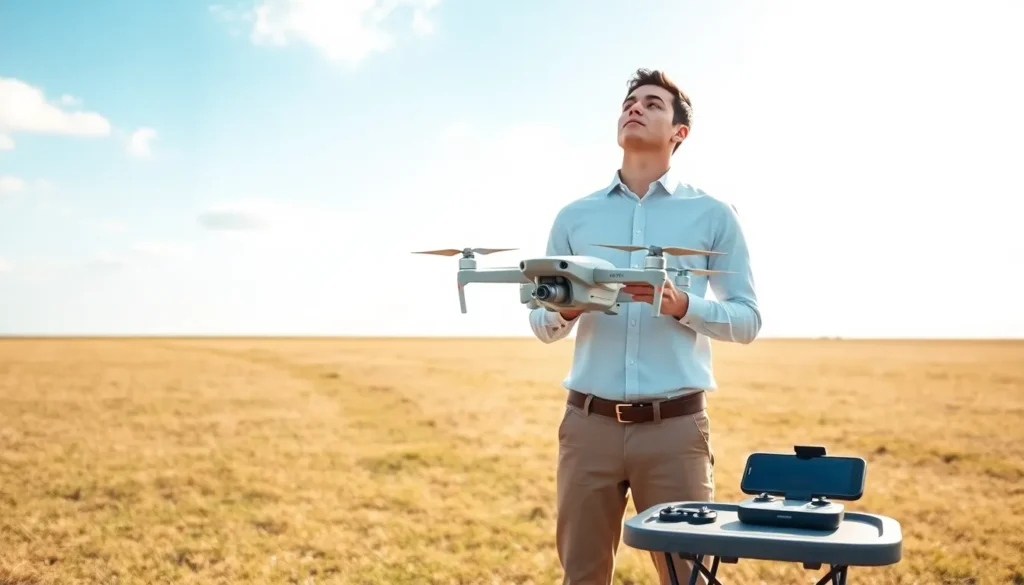
Start Indoors or in Open Spaces: Find a large, open area with no trees, power lines, or crowds. A backyard, empty parking lot, or indoor gymnasium works well. Wind can make a beginner’s drone hard to control, so calm days are best.
Master Hovering First: Before attempting any fancy maneuvers, practice keeping the drone in one spot. This teaches throttle control and helps the pilot understand how the drone responds to inputs.
Keep the Drone in Front: New pilots often lose orientation when the drone faces them (left becomes right, and vice versa). Keep the drone ahead with its back toward the pilot while learning.
Use Both Sticks Gently: Jerky inputs lead to jerky flight. Small, smooth movements produce controlled, cinematic movement. Think of it like driving, you don’t yank the steering wheel.
Watch the Battery: Most drones beep or flash when battery runs low. Don’t push it. Land with power to spare, or the drone might drop unexpectedly.
Practice the “Box Pattern”: Once hovering is comfortable, fly in a square pattern, forward, right, backward, left. This builds muscle memory for all directional controls.
Drones for beginners become much easier to fly with 10-15 hours of practice. Patience pays off.
Understanding Drone Laws and Regulations
Flying a drone isn’t a free-for-all. Regulations exist to protect privacy, property, and airspace safety. Here’s what beginners need to know in the United States:
Registration Requirements: Drones weighing more than 0.55 pounds (250 grams) must be registered with the FAA. Registration costs $5 and lasts three years. The registration number must be visible on the drone.
Recreational Flying Rules: The FAA requires recreational drone pilots to:
- Fly below 400 feet altitude
- Keep the drone within visual line of sight
- Never fly near other aircraft, especially near airports
- Never fly over groups of people, stadiums, or emergency response scenes
- Never fly under the influence of drugs or alcohol
Airspace Restrictions: Apps like B4UFLY (made by the FAA) show where flying is allowed or restricted. Flying within 5 miles of an airport typically requires authorization through LAANC (Low Altitude Authorization and Notification Capability).
Local Laws: Some cities and states have additional drone restrictions. Parks, beaches, and private property may prohibit drones. Check local ordinances before flying somewhere new.
Privacy Concerns: Flying over someone’s backyard or filming people without consent can create legal problems. Be respectful and use common sense.
Violating drone laws can result in fines up to $27,500 for civil penalties, or criminal charges for serious violations. A few minutes of research prevents expensive mistakes.