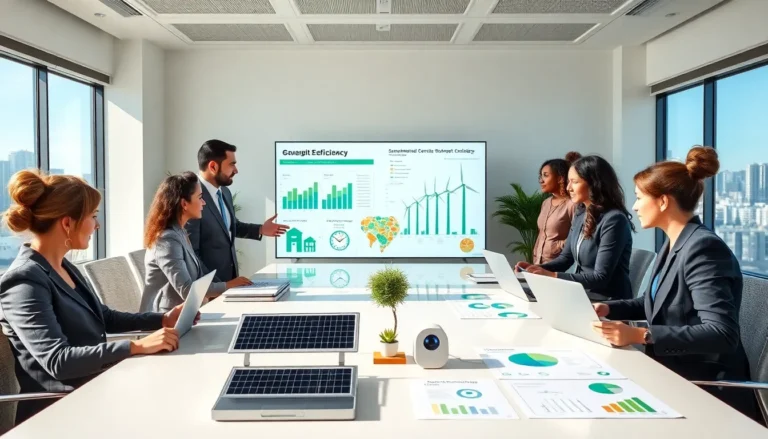

Sustainable technology ideas are driving some of the most exciting changes in how people live, work, and move. From solar panels on rooftops to electric vehicles on highways, green innovation is no longer a niche interest, it’s a mainstream priority. Governments, businesses, and individuals are investing billions into solutions that reduce environmental impact while maintaining modern convenience.
This shift matters. Climate change demands urgent action, and technology offers practical tools to cut emissions, conserve resources, and build cleaner systems. The ideas covered here represent real progress: renewable energy breakthroughs, smarter homes, cleaner transportation, and responsible computing. Each section explores specific sustainable technology ideas that are already making a difference, and shows where things are headed next.
Table of Contents
ToggleKey Takeaways
- Sustainable technology ideas span renewable energy, smart homes, transportation, and computing—offering practical solutions to reduce environmental impact.
- Solar panel efficiency now exceeds 22%, and emerging technologies like perovskite cells promise even greater gains at lower costs.
- Smart home devices like intelligent thermostats and LED systems can cut household energy use by 10-75%, depending on the application.
- Electric vehicles and public transit electrification are transforming transportation, with EV ranges now exceeding 300 miles and cities committing to all-electric bus fleets.
- Green computing initiatives from tech giants focus on carbon-neutral data centers, modular hardware design, and e-waste recycling to manage the industry’s growing environmental footprint.
- Adopting sustainable technology ideas at both individual and industrial levels creates compounding benefits for climate action and resource conservation.
Renewable Energy Innovations
Renewable energy sits at the heart of sustainable technology ideas. Solar, wind, and hydropower have matured from experimental projects into reliable power sources that compete with fossil fuels on cost and efficiency.
Solar Power Advances
Solar panel efficiency has improved dramatically. Modern panels convert over 22% of sunlight into electricity, up from around 15% a decade ago. Perovskite solar cells, a newer technology, promise even higher efficiency at lower manufacturing costs. Companies are also developing transparent solar panels that can replace windows in buildings, turning entire skyscrapers into power generators.
Wind Energy Growth
Offshore wind farms are expanding rapidly. Turbines now reach heights over 260 meters and generate enough power for thousands of homes each. Floating wind platforms allow installation in deeper waters, opening vast new areas for clean energy production. Denmark, the UK, and parts of the United States lead this expansion.
Energy Storage Solutions
Battery technology is catching up to generation capacity. Lithium-ion batteries remain dominant, but solid-state batteries and sodium-ion alternatives are entering the market. These storage systems let homes and grids bank excess solar or wind power for use at night or during calm weather. Grid-scale battery installations in California and Australia have already proven their value during peak demand periods.
These renewable energy innovations represent some of the most impactful sustainable technology ideas available today. They reduce dependence on coal and natural gas while creating new jobs in manufacturing, installation, and maintenance.
Eco-Friendly Smart Home Solutions
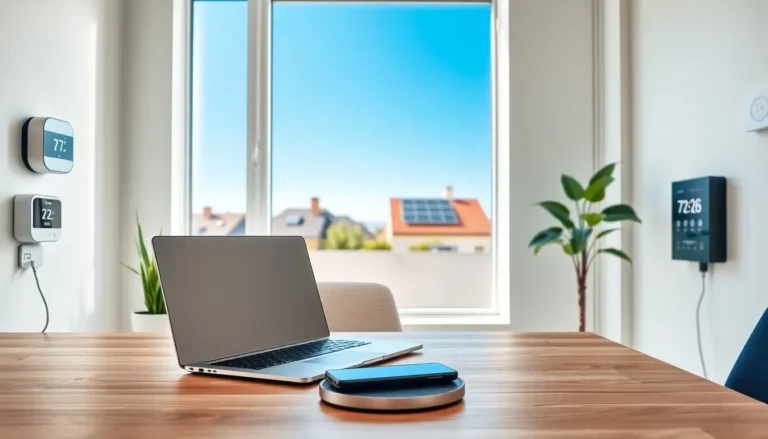
Smart home technology offers practical sustainable technology ideas for everyday life. Connected devices help homeowners reduce energy use, lower utility bills, and shrink their carbon footprint without sacrificing comfort.
Intelligent Thermostats
Smart thermostats learn household patterns and adjust heating and cooling automatically. The Nest Learning Thermostat and Ecobee models can cut HVAC energy use by 10-15% annually. They detect when rooms are empty and reduce output accordingly. Some models integrate with local utility grids to shift energy use away from peak hours.
LED Lighting Systems
LED bulbs use 75% less energy than incandescent lights and last 25 times longer. Smart LED systems add another layer of efficiency. Users can schedule lights, dim them remotely, and set motion sensors to prevent waste. Philips Hue and similar platforms make whole-home lighting control simple.
Water Conservation Tech
Smart irrigation systems monitor weather forecasts and soil moisture to water lawns only when needed. Inside the home, leak detectors alert owners to dripping pipes before small problems become expensive disasters. Low-flow smart showerheads track water use in real time and encourage shorter showers.
Solar-Powered Home Systems
Residential solar installations pair well with smart home tech. Home battery systems like the Tesla Powerwall store excess solar energy for evening use. Smart panels monitor production and consumption, helping homeowners maximize their investment.
These eco-friendly smart home solutions show how sustainable technology ideas work at the individual level. Small changes across millions of homes add up to significant environmental benefits.
Sustainable Transportation Technologies
Transportation accounts for roughly 29% of greenhouse gas emissions in the United States. Sustainable technology ideas in this sector target that massive footprint through electrification, efficiency improvements, and smarter infrastructure.
Electric Vehicles
EV sales are accelerating worldwide. Tesla, Ford, Rivian, and legacy automakers now offer electric cars, trucks, and SUVs at various price points. Battery range has improved to over 300 miles for many models, addressing earlier concerns about practicality. Charging infrastructure is expanding, with networks like Electrify America and ChargePoint adding thousands of stations annually.
Public Transit Electrification
Cities are converting bus fleets to electric models. Shenzhen, China operates the world’s largest electric bus fleet, over 16,000 vehicles. Los Angeles, New York, and London have committed to fully electric bus systems within the next decade. Electric trains and trams already serve many urban areas efficiently.
Alternative Fuels
Hydrogen fuel cells power some heavy vehicles where batteries fall short. Long-haul trucks, ships, and aircraft are testing hydrogen systems. Biofuels made from algae, agricultural waste, and other sources offer another path for sectors that can’t easily electrify.
Micro-Mobility Options
Electric bikes and scooters have transformed urban transportation. Companies like Lime and Bird operate shared fleets in hundreds of cities. E-bikes now outsell electric cars in Europe, offering a low-cost, zero-emission option for short trips.
Sustainable technology ideas in transportation require infrastructure investment and policy support. But the technology itself is ready, and adoption rates suggest strong consumer interest.
Green Computing and E-Waste Reduction
The tech industry itself generates significant environmental impact. Data centers consume enormous amounts of electricity, and discarded electronics create toxic waste streams. Green computing offers sustainable technology ideas that address both problems.
Energy-Efficient Data Centers
Data centers power the internet, cloud services, and AI applications. Major operators like Google, Microsoft, and Amazon have committed to carbon-neutral or carbon-negative operations. They achieve this through renewable energy purchases, advanced cooling systems, and server efficiency improvements. Google’s data centers now operate 1.5 times more efficiently than the industry average.
Sustainable Hardware Design
Manufacturers are rethinking product design for sustainability. Fairphone builds modular smartphones that users can repair and upgrade themselves, extending device lifespan. Apple has increased recycled materials in its products and uses robot disassembly lines to recover valuable components from old devices. Framework laptops feature user-replaceable parts that reduce waste.
E-Waste Recycling Programs
The world generates over 50 million metric tons of e-waste annually. Proper recycling recovers gold, copper, rare earth elements, and other materials. Best Buy, Staples, and manufacturers offer take-back programs. Specialized recyclers process old electronics safely, preventing toxic substances from entering landfills and waterways.
Cloud Computing Efficiency
Cloud services can reduce overall energy use by consolidating computing resources. Instead of every business running its own servers, cloud providers achieve economies of scale. Shared infrastructure operates at higher utilization rates, reducing waste.
Green computing represents an important category of sustainable technology ideas. As digital services grow, managing their environmental impact becomes increasingly critical.