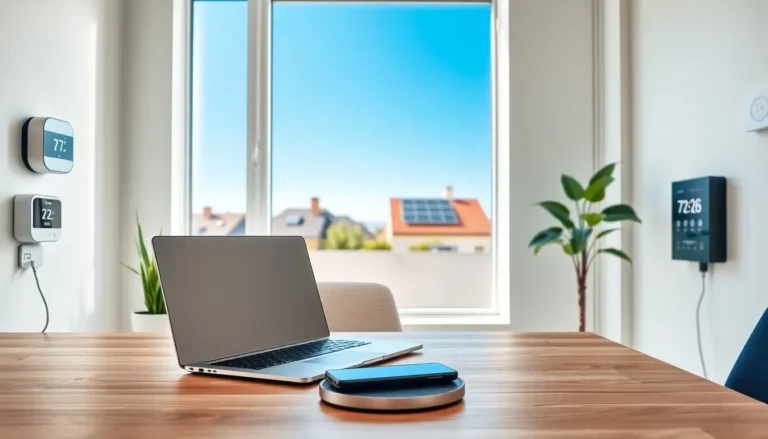


Sustainable technology for beginners doesn’t have to feel overwhelming. In fact, it’s one of the most practical ways to reduce environmental impact while still enjoying modern conveniences. Whether someone wants to cut their energy bills or simply make smarter purchasing decisions, understanding green tech basics opens doors to real change. This guide breaks down what sustainable technology means, why it matters, and how anyone can start making greener tech choices today.
Table of Contents
ToggleKey Takeaways
- Sustainable technology for beginners includes everyday solutions like LED lighting, smart thermostats, and energy-efficient appliances that reduce environmental impact.
- Green tech saves money over time—solar panels pay for themselves in 6-10 years, and EVs have lower maintenance costs than gas vehicles.
- Before buying electronics, check repairability ratings and look for EPEAT or Energy Star certifications to ensure genuine sustainability.
- Always recycle old electronics through retailer programs like Best Buy or Apple to prevent hazardous materials from contaminating the environment.
- Start small by changing one habit at a time—sustainable technology adoption works best as a gradual process rather than an overwhelming overhaul.
- Even renters can support renewable energy through utility green energy programs or community solar options without installing panels.
What Is Sustainable Technology?
Sustainable technology refers to products, systems, and practices designed to minimize environmental harm. These innovations focus on reducing carbon emissions, conserving resources, and promoting renewable energy sources.
At its core, sustainable technology aims to meet current needs without compromising future generations. This includes everything from solar panels and electric vehicles to energy-efficient appliances and biodegradable materials.
Some common examples of sustainable technology include:
- Solar energy systems that convert sunlight into electricity
- Electric vehicles (EVs) that run on rechargeable batteries instead of fossil fuels
- Smart thermostats that optimize home heating and cooling
- LED lighting that uses up to 75% less energy than traditional bulbs
- Water-saving devices like low-flow showerheads and smart irrigation systems
The key distinction is intent. Sustainable technology prioritizes long-term environmental health over short-term convenience. A smartphone made with recycled materials and designed for easy repair counts as sustainable tech. A device built for planned obsolescence does not.
For beginners exploring sustainable technology, the good news is clear: green alternatives exist in almost every product category today.
Why Sustainable Technology Matters
The case for sustainable technology grows stronger each year. Climate change, resource depletion, and electronic waste present serious global challenges. Technology contributes significantly to these problems, but it can also help solve them.
Consider these facts:
- The tech industry generates approximately 2-3% of global carbon emissions, similar to the aviation sector
- Over 50 million metric tons of e-waste are produced annually worldwide
- Data centers alone consume about 1-2% of global electricity
Sustainable technology addresses these issues directly. Energy-efficient devices reduce power consumption. Recyclable materials decrease landfill waste. Renewable energy systems cut dependence on fossil fuels.
Beyond environmental benefits, sustainable technology often saves money. LED bulbs last longer than incandescent options. Solar panels can eliminate electricity bills. Electric vehicles cost less to maintain than gas-powered cars.
There’s also a growing social dimension. Companies that adopt sustainable technology practices attract environmentally conscious consumers. Individuals who embrace green tech contribute to a collective shift in market demand.
For beginners, sustainable technology represents both responsibility and opportunity. Small choices add up. When millions of people choose energy-efficient appliances or properly recycle electronics, the cumulative impact becomes substantial.
Easy Ways to Embrace Sustainable Tech in Daily Life
Getting started with sustainable technology doesn’t require major investments or lifestyle overhauls. Beginners can take simple steps that make a real difference.
Start with Energy Efficiency
Swapping old light bulbs for LEDs is one of the easiest wins. These bulbs use less energy and last up to 25 times longer than traditional incandescent lights. Smart power strips eliminate “phantom load”, the energy devices consume when plugged in but turned off.
Smart thermostats like those from Nest or Ecobee learn household patterns and adjust temperatures automatically. Most users see 10-15% savings on heating and cooling costs.
Choose Devices with Longevity in Mind
Before buying new electronics, research repairability and lifespan. Organizations like iFixit rate products on how easy they are to repair. Devices with replaceable batteries and modular components last longer and generate less waste.
When purchasing laptops or smartphones, look for EPEAT-certified products. This certification indicates devices meet strict environmental standards throughout their lifecycle.
Recycle Electronics Properly
Old phones, computers, and tablets contain valuable materials that can be recovered. Many retailers offer trade-in programs or free recycling services. Best Buy, Apple, and Staples accept various electronics for responsible disposal.
Never throw electronics in regular trash. E-waste contains hazardous materials like lead and mercury that can contaminate soil and water.
Support Renewable Energy
Even renters can support sustainable technology through their energy choices. Many utility companies offer green energy programs that source electricity from wind or solar. Community solar programs allow individuals to benefit from solar power without installing panels on their property.
For homeowners, solar panel costs have dropped dramatically. Federal tax credits and state incentives make installation more affordable than ever.
Common Challenges and How to Overcome Them
Adopting sustainable technology comes with real obstacles. Understanding these challenges helps beginners prepare and persist.
Higher Upfront Costs
Green products often cost more initially. An electric vehicle carries a higher sticker price than a comparable gas-powered car. Solar panels require significant upfront investment.
The solution lies in calculating total cost of ownership. EVs have lower fuel and maintenance costs over time. Solar panels pay for themselves through electricity savings within 6-10 years. Many sustainable technology purchases are investments, not expenses.
Financing options help bridge the gap. Green loans, manufacturer incentives, and government rebates reduce initial barriers.
Limited Availability
Not every sustainable option is available everywhere. Rural areas may lack EV charging infrastructure. Some regions have fewer recycling programs for electronics.
Beginners can start with what’s accessible. Sustainable technology adoption works best as a gradual process. Focus on available options first, energy-efficient appliances, proper recycling, reduced consumption, then expand as infrastructure improves.
Information Overload
The sheer volume of green certifications, eco-labels, and product claims can confuse consumers. “Greenwashing”, when companies exaggerate environmental benefits, makes matters worse.
Stick to trusted certifications. Energy Star, EPEAT, and B Corp status indicate genuine commitment to sustainability. Read reviews from reputable sources. Organizations like Consumer Reports and the Environmental Working Group provide unbiased assessments.
Habit Change
Technology habits form over years. Switching to new systems takes effort and patience.
Start small. Change one habit at a time. Once sustainable technology becomes routine in one area, expand to another. Progress beats perfection.