

Learning how to fly drones opens up exciting possibilities for photography, recreation, and even professional work. Drones have become accessible to everyone, from hobbyists capturing aerial footage to farmers surveying their land. But getting started requires more than just unboxing a quadcopter and hitting the throttle.
This guide covers everything beginners need to know about flying drones safely and legally. From understanding regulations to mastering basic controls, each step builds confidence for new pilots. Whether someone wants to film stunning landscapes or simply enjoy a new hobby, these fundamentals provide a solid foundation for successful flights.
Table of Contents
ToggleKey Takeaways
- Register your drone with the FAA and pass the TRUST test before flying to avoid fines up to $27,500.
- Choose a beginner drone with GPS, return-to-home, and altitude hold features to make learning how to fly drones easier and safer.
- Always fly below 400 feet, keep your drone within visual line of sight, and check airspace restrictions using apps like B4UFLY.
- Master the basics by practicing steady hovers, square patterns, and orientation changes in open areas with low wind.
- Land when your battery reaches 20-30% and never fly over crowds, near airports, or while distracted.
- Building drone flying skills takes time—start slow, practice often, and prioritize safety with every flight.
Understanding Drone Basics and Regulations
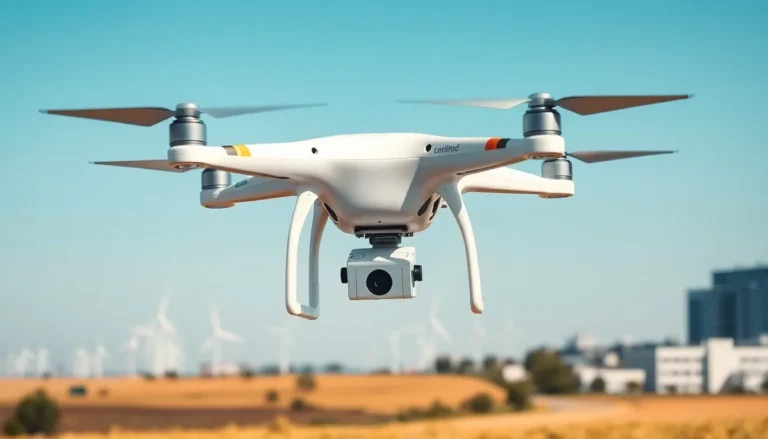
Before anyone flies a drone, they need to understand what they’re working with. Most consumer drones use four rotors (quadcopters) to generate lift and maneuver through the air. A controller sends signals to the drone, adjusting motor speeds to move up, down, forward, backward, or side to side.
Drones also come equipped with cameras, GPS systems, and sensors that help with stability and navigation. These features make flying easier for beginners, but they don’t eliminate the need for proper training.
FAA Regulations Every Pilot Must Know
In the United States, the Federal Aviation Administration (FAA) sets rules for drone operation. Here are the key regulations:
- Registration: Drones weighing between 0.55 and 55 pounds must be registered with the FAA. Registration costs $5 and lasts three years.
- Recreational Flyers: Must pass The Recreational UAS Safety Test (TRUST) before flying.
- Altitude Limit: Drones cannot fly higher than 400 feet above ground level.
- Line of Sight: Pilots must keep their drone within visual line of sight at all times.
- Restricted Airspace: Flying near airports, stadiums, and government buildings is prohibited without authorization.
- Night Flying: Allowed for recreational pilots, but the drone must have anti-collision lights visible from three miles away.
Violating these rules can result in fines up to $27,500 for civil penalties. Criminal penalties can reach $250,000. Taking time to learn drone regulations protects both the pilot and the public.
Choosing the Right Drone for Beginners
Selecting the right drone makes learning much easier. Beginners should focus on models with forgiving flight characteristics and helpful safety features.
Features to Look For
- GPS and Return-to-Home: These features automatically bring the drone back if it loses signal or the battery runs low. This prevents flyaways that result in lost drones.
- Altitude Hold: The drone maintains a steady height, letting new pilots focus on horizontal movement.
- Beginner/Training Mode: Many drones offer a mode that limits speed and range while someone learns.
- Obstacle Avoidance: Sensors detect trees, buildings, and other obstacles to prevent crashes.
- Durable Construction: Beginners will crash. Drones with prop guards and sturdy frames survive mistakes better.
Recommended Price Range
Beginner drones typically cost between $100 and $500. Cheaper models under $100 often lack GPS and stability features, making them frustrating to fly. Models above $500 offer professional features that beginners won’t fully use yet.
Popular beginner-friendly options include the DJI Mini series, which offers excellent stability and a lightweight design. Holy Stone and Potensic also make affordable drones with training features. Whatever drone someone chooses, they should read reviews and watch flight footage before buying.
Essential Pre-Flight Preparations
Successful drone flights start before takeoff. Proper preparation prevents crashes, lost drones, and legal trouble.
Battery and Equipment Checks
- Charge all batteries fully, both the drone battery and the controller.
- Inspect propellers for cracks, chips, or warping. Replace damaged props immediately.
- Clean the camera lens if the drone has one.
- Ensure the memory card has space for recording.
- Update firmware to the latest version. Manufacturers release updates that fix bugs and improve flight performance.
Location Scouting
Choose an open area away from people, buildings, and power lines. Parks and empty fields work well for practice. Before flying, check:
- Weather conditions: Wind speeds under 10 mph are best for beginners. Avoid rain and fog.
- Airspace restrictions: Apps like B4UFLY and AirMap show where drones can legally fly.
- Local ordinances: Some cities and parks have additional drone restrictions beyond FAA rules.
Calibration
Most drones require compass calibration before their first flight in a new location. This process takes about 30 seconds and helps the GPS system work accurately. Skipping calibration can cause erratic flight behavior or flyaways.
Learning Basic Flight Controls and Maneuvers
Understanding how to control a drone involves learning two joysticks that work together. On most controllers:
- Left Stick (Throttle/Yaw): Push up to climb, down to descend. Move left or right to rotate the drone.
- Right Stick (Pitch/Roll): Push forward to fly forward, back to fly backward. Move left or right to strafe sideways.
First Flight Steps
- Place the drone on a flat surface away from obstacles.
- Stand behind the drone so its front faces away from the pilot.
- Power on the controller first, then the drone.
- Wait for GPS lock (usually indicated by lights or a beep).
- Slowly push the throttle up until the drone hovers about 3 feet off the ground.
- Practice holding a steady hover for 30 seconds.
Practice Drills
Once hovering feels comfortable, try these exercises:
- Square Pattern: Fly forward, right, backward, left, returning to the start position.
- Figure Eight: Fly in a smooth figure-eight pattern to practice coordinated turns.
- Orientation Practice: Rotate the drone 90 degrees and fly again. This teaches pilots to adjust controls based on drone orientation.
Many new pilots struggle when their drone faces them. The controls become reversed from their perspective. Practicing orientation changes builds this skill quickly.
Safety Tips for New Drone Pilots
Safe flying protects people, property, and the drone itself. Following these guidelines helps beginners avoid common problems.
General Safety Rules
- Never fly over crowds or moving vehicles.
- Keep at least 25 feet of distance from people not involved in the flight.
- Avoid flying near wildlife, especially birds that might attack the drone.
- Don’t fly when distracted, tired, or under the influence of alcohol.
- Always have a spotter when possible, especially in areas with foot traffic.
Battery Management
Drone batteries require careful handling. Land when the battery reaches 20-30% to maintain a safety margin. Lithium batteries can swell or catch fire if damaged, so store them in fireproof bags and never charge unattended. Most drone batteries last 20-30 minutes of flight time, so bring extras for longer sessions.
What to Do If Something Goes Wrong
If a drone starts behaving erratically, stay calm. Most drones have an emergency stop or return-to-home button. If the drone crashes on someone’s property, the pilot should retrieve it politely and assess any damage. Having liability insurance, available for around $75-150 per year, provides financial protection if accidents occur.
Building flying skills takes time. Start slow, practice often, and respect the technology. Every expert drone pilot started as a beginner.