

The best sustainable technology solutions are changing how we power homes, move people, and grow food. Climate change has pushed engineers and entrepreneurs to develop cleaner alternatives across every industry. From solar panels that convert more sunlight into electricity to electric vehicles that dominate new car sales, green innovation is accelerating faster than most predicted.
This article examines six key areas where sustainable technology is making the biggest impact. Each section highlights specific breakthroughs, real-world applications, and why these innovations matter for the planet’s future. Whether someone is looking to reduce their carbon footprint or simply wants to understand where clean tech is headed, these developments represent the most promising paths forward.
Table of Contents
ToggleKey Takeaways
- The best sustainable technology spans six major areas: solar/wind power, electric vehicles, smart homes, green construction, and sustainable agriculture.
- Perovskite solar cells and offshore wind turbines are driving renewable energy costs down while boosting efficiency to record levels.
- Electric vehicle adoption surged to 18% of new car sales in 2023, with solid-state batteries promising 500+ miles of range by 2028.
- Smart home devices like learning thermostats and heat pumps can reduce household energy consumption by 20-30%.
- Green building materials, including low-carbon concrete and mass timber, are cutting the construction industry’s 40% share of global emissions.
- Alternative proteins and precision agriculture offer practical solutions to reduce farming’s environmental impact while feeding more people.
Solar and Wind Power Advancements
Solar and wind power have become the cheapest sources of new electricity in most parts of the world. The International Energy Agency reported that renewable energy capacity grew by 50% in 2023, with solar leading the charge.
Solar Technology Breakthroughs
Perovskite solar cells represent one of the most exciting developments in sustainable technology. These cells can be manufactured at lower temperatures than traditional silicon panels, cutting production costs significantly. Some laboratories have achieved efficiency rates above 33% by layering perovskite on top of silicon, a major leap from the 15-20% efficiency of standard panels.
Bifacial solar panels now capture sunlight from both sides, boosting energy output by 10-30%. These panels work especially well over reflective surfaces like white rooftops or sandy terrain.
Wind Power Innovation
Offshore wind turbines have grown massive. The latest models stand taller than the Eiffel Tower and generate 15 megawatts or more, enough to power roughly 20,000 homes each. Floating wind platforms allow turbines to operate in deeper waters where winds blow stronger and more consistently.
Artificial intelligence now optimizes wind farm performance in real time. AI systems adjust blade angles and predict maintenance needs, squeezing extra efficiency from every gust. These smart systems can increase annual energy production by 5-10%.
The best sustainable technology in renewable energy combines hardware improvements with software intelligence. This dual approach keeps driving costs down while pushing output up.
Electric Vehicles and Sustainable Transportation
Electric vehicles have moved from niche products to mainstream options. Global EV sales exceeded 14 million units in 2023, representing about 18% of all new car purchases. Battery technology improvements deserve much of the credit for this shift.
Battery Advancements
Lithium iron phosphate (LFP) batteries have gained market share due to their safety, longevity, and lower cost. These batteries avoid cobalt entirely, reducing supply chain concerns and ethical issues tied to mining.
Solid-state batteries promise even bigger changes. Toyota, Samsung, and several startups plan to commercialize solid-state technology by 2027-2028. These batteries could offer 500+ miles of range with charging times under 15 minutes.
Beyond Personal Vehicles
Electric buses and trucks are transforming public transit and freight. Cities like Shenzhen, China have already converted their entire bus fleet to electric. Electric delivery vans from companies like Rivian and Mercedes are hitting roads worldwide.
Hydrogen fuel cells power heavy-duty applications where batteries struggle. Long-haul trucking, shipping, and aviation are testing hydrogen solutions. Green hydrogen, produced using renewable electricity, makes this approach truly sustainable.
The best sustainable technology in transportation addresses different needs with different solutions. Battery electric works great for daily commutes. Hydrogen may prove better for cross-country trucking. Both reduce emissions dramatically compared to fossil fuels.
Energy-Efficient Smart Home Solutions
Smart home technology helps households cut energy consumption without sacrificing comfort. The average American home can reduce energy use by 20-30% through connected devices and intelligent automation.
Smart Thermostats and HVAC
Learning thermostats from Nest, Ecobee, and others track occupancy patterns and adjust temperatures automatically. These devices typically pay for themselves within two years through energy savings. Some utility companies offer rebates that make them nearly free.
Heat pumps represent the best sustainable technology for home heating and cooling. Modern heat pumps work efficiently even in cold climates and use 50-70% less energy than traditional furnaces. When paired with smart controls, they optimize performance based on electricity prices and weather forecasts.
Home Energy Management Systems
Complete home energy management systems coordinate solar panels, battery storage, EV chargers, and appliances. These systems can shift energy-intensive tasks to times when solar production peaks or grid electricity costs less.
Smart plugs and switches eliminate phantom loads, the energy devices consume while supposedly “off.” Studies show phantom loads account for 5-10% of residential electricity use. Cutting this waste requires minimal effort or expense.
LED lighting continues improving, with the latest bulbs using 90% less energy than incandescent while lasting 25 times longer. Smart LED systems adjust brightness based on natural light levels and room occupancy.
Green Building Materials and Construction Tech
Buildings account for roughly 40% of global carbon emissions. Green building materials and construction methods can slash this figure while creating healthier spaces for occupants.
Low-Carbon Concrete and Steel
Concrete production generates about 8% of worldwide CO2 emissions. New formulations replace some cement with industrial byproducts like fly ash or slag. Some companies inject captured carbon dioxide into concrete, permanently storing it while strengthening the material.
Green steel made with hydrogen instead of coal is entering production. Swedish company SSAB delivered the first batches of fossil-free steel in 2021. Major automakers and construction firms have already placed orders.
Mass Timber Construction
Cross-laminated timber (CLT) allows wood buildings to reach heights previously limited to steel and concrete. The world’s tallest timber building, Ascent in Milwaukee, stands 25 stories. Wood stores carbon rather than releasing it, making mass timber construction carbon-negative in many cases.
The best sustainable technology in construction combines innovative materials with efficient building practices. Prefabrication reduces waste and speeds up construction timelines. 3D-printed buildings are moving from experimental projects to affordable housing solutions.
Smart Building Systems
Building automation systems optimize lighting, heating, and ventilation based on real-time occupancy data. These systems detect when rooms empty and adjust conditions accordingly. Large commercial buildings can cut energy use by 15-25% through smart management alone.
Sustainable Agriculture and Food Technology
Agriculture produces about 25% of global greenhouse gas emissions. Sustainable farming technology reduces this footprint while feeding a growing population.
Precision Agriculture
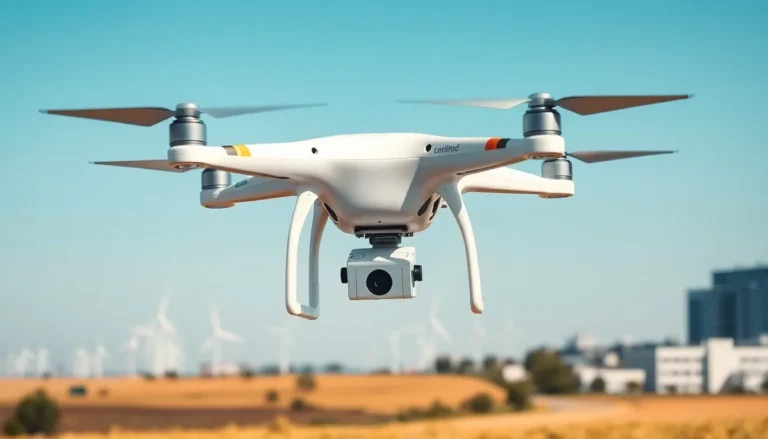
GPS-guided tractors and drones apply water, fertilizer, and pesticides only where needed. This precision approach cuts input use by 20-40% while maintaining or improving yields. Sensors in the soil monitor moisture levels and nutrient content in real time.
Vertical farms grow produce in stacked indoor layers using LED lighting. These facilities use 95% less water than traditional farms and eliminate pesticide needs entirely. They can operate in cities, shortening supply chains and reducing food miles.
Alternative Proteins
Plant-based meat has matured rapidly. Products from Impossible Foods and Beyond Meat now taste remarkably similar to beef while using 90% less land and producing 90% fewer emissions.
Cultivated meat, grown from animal cells without slaughter, has received regulatory approval in the United States and Singapore. Production costs have dropped from $300,000 per pound in 2013 to under $10 today. Further price reductions could make lab-grown meat competitive with conventional products within five years.
Regenerative Farming Practices
Cover crops, reduced tillage, and crop rotation restore soil health while sequestering carbon. These practices represent some of the best sustainable technology because they cost little and benefit farms immediately through reduced erosion and improved water retention.