
Drones have changed how people capture footage, deliver packages, and inspect infrastructure. These unmanned aerial vehicles (UAVs) now serve millions of hobbyists, businesses, and government agencies worldwide. Whether someone wants to film stunning landscape videos or a company needs to survey construction sites, drones offer practical solutions that were impossible just a decade ago.
This guide covers everything readers need to know about drones, from basic mechanics to choosing the right model. It explains the different types available, their common applications, and the regulations that govern their use. By the end, anyone interested in drones will understand how these devices work and which options fit their specific goals.
Table of Contents
ToggleKey Takeaways
- Drones serve diverse purposes—from aerial photography and package delivery to agriculture monitoring and infrastructure inspection.
- Consumer drones range from $100 to $2,000, with mid-range models offering 4K video, GPS, and intelligent flight modes for hobbyists and content creators.
- Recreational drone pilots must register with the FAA, pass the free TRUST safety test, and follow rules like flying below 400 feet and maintaining visual line of sight.
- Commercial drone operators need a Part 107 Remote Pilot Certificate, which requires passing a knowledge test covering airspace, weather, and regulations.
- When choosing a drone, prioritize your intended purpose, budget, and experience level—beginners should look for obstacle avoidance and beginner flight modes.
- Leading drone brands include DJI, Autel, Skydio, and Parrot, each offering unique strengths in reliability, features, or autonomous flight capabilities.
What Are Drones and How Do They Work
A drone is an aircraft that operates without a human pilot onboard. Most drones rely on remote control or autonomous flight systems powered by onboard computers. The term covers everything from small quadcopters to large military aircraft, though consumer drones typically weigh under 55 pounds.
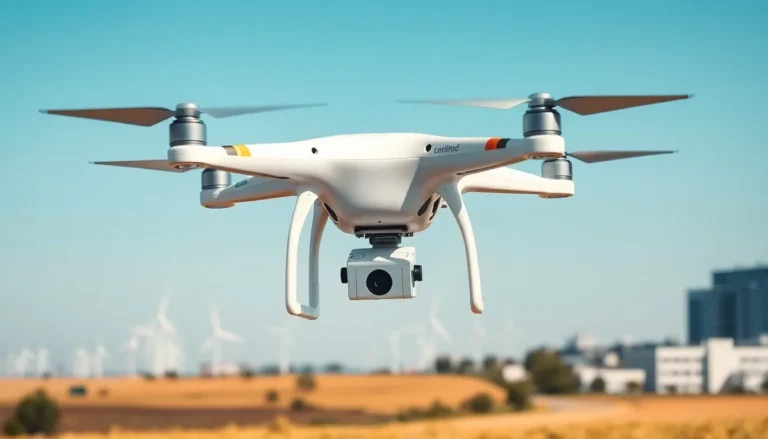
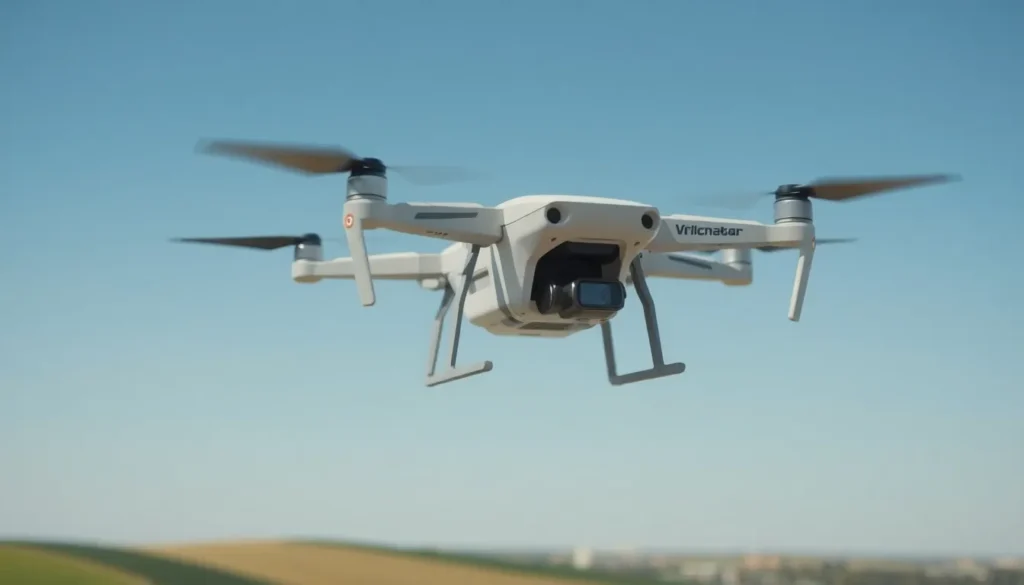
Drones work through a combination of hardware and software components. The frame holds everything together, while motors spin propellers to generate lift. A flight controller acts as the brain, processing input from sensors like gyroscopes and accelerometers to maintain stability. GPS modules help drones know their position and enable features like return-to-home.
The pilot controls the drone through a transmitter that sends radio signals to a receiver on the aircraft. Many modern drones also connect to smartphone apps that display live video feeds and flight data. Batteries power most consumer drones, providing flight times between 20 and 45 minutes depending on the model.
Camera systems represent a major component of many drones. Gimbals stabilize cameras during flight, producing smooth footage even in windy conditions. Some drones carry thermal cameras, LiDAR sensors, or specialized payloads for specific tasks. The technology continues to advance, with newer drones offering obstacle avoidance, subject tracking, and automated flight paths.
Types of Drones and Their Uses
Drones come in many shapes and sizes, each designed for specific purposes. Understanding the categories helps buyers find the right match for their needs.
Consumer and Recreational Drones
Consumer drones dominate the hobby market. These drones typically cost between $100 and $2,000 and serve recreational pilots who want aerial photography or simply enjoy flying. Entry-level models like mini drones work well for beginners learning basic controls. They’re lightweight, cheap to replace, and often safe enough to fly indoors.
Mid-range consumer drones offer better cameras and longer flight times. Models in this category often include 4K video, GPS positioning, and intelligent flight modes. They appeal to content creators, travelers, and photography enthusiasts who want quality results without professional equipment.
High-end consumer drones blur the line between hobby and professional use. These drones feature advanced sensors, larger imaging sensors, and premium build quality. Many professionals start with these models before investing in commercial-grade equipment.
Commercial and Industrial Applications
Commercial drones serve businesses across many industries. Real estate agents use drones to capture property listings from unique angles. Filmmakers employ cinema-grade drones for movie productions and television shows.
Agriculture represents a growing market for drones. Farmers use them to monitor crop health, spray pesticides, and create detailed field maps. These drones cover large areas quickly and identify problems invisible from ground level.
Construction and infrastructure inspection rely heavily on drones. They examine bridges, power lines, and cell towers without putting workers at risk. Mining companies use drones to survey sites and track progress. Search and rescue teams deploy drones to locate missing persons in difficult terrain.
Delivery drones are gaining momentum too. Companies like Amazon and Walmart test drone delivery services that promise faster shipping for small packages. While still limited in availability, this application could reshape logistics within the next decade.
Drone Regulations and Safety Guidelines
Flying drones legally requires understanding federal, state, and local rules. In the United States, the Federal Aviation Administration (FAA) regulates all drone operations. Rules differ based on whether someone flies recreationally or commercially.
Recreational pilots must register drones weighing over 0.55 pounds (250 grams) with the FAA. Registration costs $5 and lasts three years. Pilots must pass The Recreational UAS Safety Test (TRUST) before flying. This free online test covers basic safety and airspace rules.
Commercial drone operators need a Part 107 Remote Pilot Certificate. This requires passing a knowledge test at an FAA-approved testing center. The test covers airspace, weather, regulations, and emergency procedures. Certification costs about $175 and remains valid for two years before requiring renewal.
Key rules apply to all drone pilots:
- Fly below 400 feet above ground level
- Keep drones within visual line of sight
- Never fly near other aircraft or over people
- Avoid restricted airspace near airports and stadiums
- Don’t fly under the influence of drugs or alcohol
Some areas require additional authorization. Controlled airspace near airports needs approval through the FAA’s LAANC system or manual authorization. National parks, military bases, and certain government buildings prohibit drones entirely.
Safety extends beyond legal compliance. Responsible pilots check weather conditions, inspect equipment before flights, and maintain situational awareness. They avoid flying over crowds, respect privacy, and carry insurance for expensive drones. Good habits prevent accidents and protect the hobby’s reputation.
How to Choose the Right Drone for Your Needs
Selecting a drone depends on intended use, budget, and experience level. Asking a few questions helps narrow down options quickly.
Purpose matters most. Someone wanting casual fun needs different features than a professional photographer. Racing enthusiasts should look at FPV drones built for speed. Filmmakers need stable gimbals and high-resolution cameras. Surveyors require mapping software and precision GPS.
Budget sets realistic expectations. Quality drones start around $300 for basic camera models. Serious aerial photography requires at least $800-$1,500. Professional cinema drones cost $3,000 and up. Remember to budget for accessories like extra batteries, cases, and ND filters.
Experience level affects the learning curve. Beginners benefit from drones with beginner modes that limit speed and altitude. Obstacle avoidance sensors prevent crashes during the learning phase. Advanced pilots might prefer manual controls and customizable settings.
Key features to evaluate:
- Camera quality (sensor size, resolution, frame rates)
- Flight time per battery charge
- Range between controller and drone
- Portability and weight
- Intelligent flight modes
- Obstacle avoidance capabilities
- Spare parts availability
Popular brands include DJI, Autel, Skydio, and Parrot. DJI dominates the market with reliable products across price ranges. Autel offers strong alternatives with competitive features. Skydio excels at autonomous flying with superior obstacle avoidance. Reading reviews and watching comparison videos helps buyers understand real-world performance.
Test flights matter too. Some hobby shops let customers try drones before buying. This hands-on experience reveals how a drone actually feels to control.