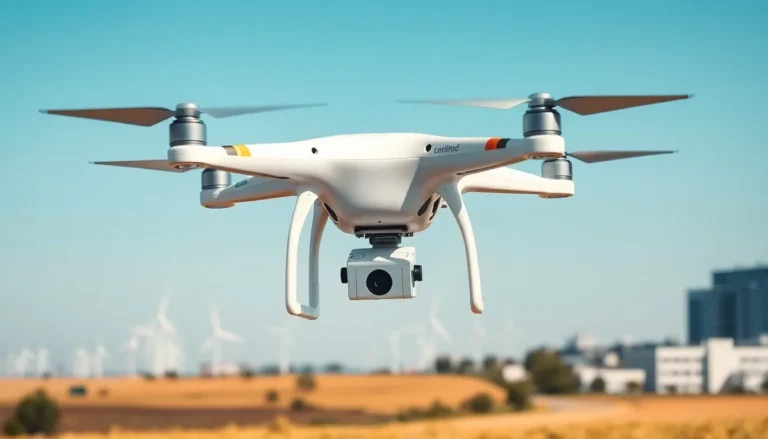
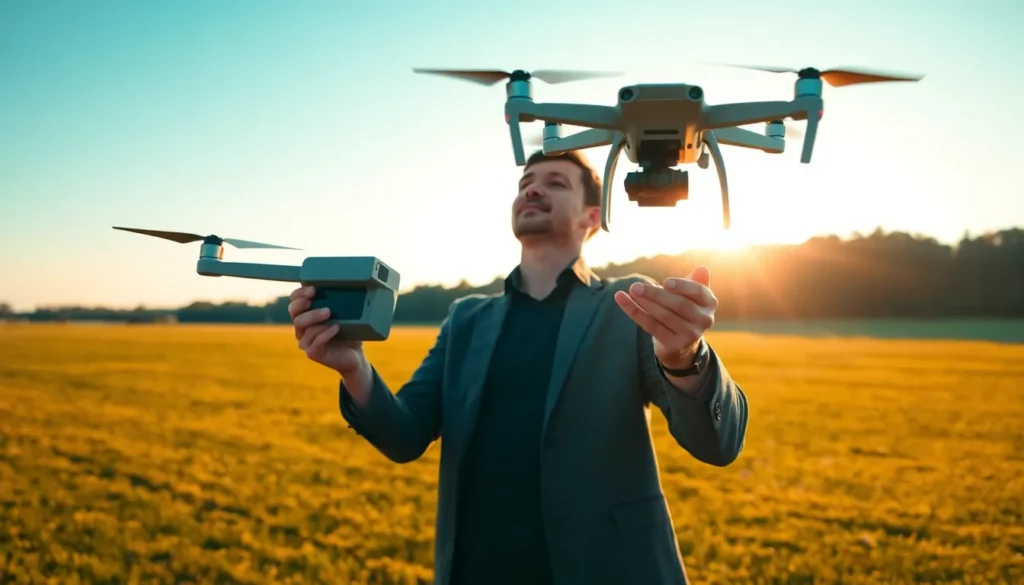

Drone tips can make the difference between a crashed quadcopter and stunning aerial footage. Whether someone just unboxed their first drone or has been flying for years, there’s always something new to learn. The hobby has exploded in popularity, with over 800,000 drones registered in the U.S. alone. But with great flying power comes great responsibility, and a learning curve that catches many pilots off guard.
This guide covers the essential drone tips every pilot needs. From understanding regulations to capturing better shots, these practical insights will help anyone fly safer, smarter, and with more confidence. No fluff, no filler, just actionable advice that works.
Table of Contents
ToggleKey Takeaways
- Register your drone with the FAA and check local airspace restrictions before every flight to avoid fines up to $27,500.
- Master hovering and basic controls in beginner mode before attempting complex maneuvers—most pilots crash within their first few flights.
- Fly in optimal conditions by checking wind speeds at altitude and avoiding rain, as most consumer drones handle winds up to 20-25 mph but lack waterproofing.
- Inspect propellers, clean lenses, and update firmware regularly to extend your drone’s lifespan and prevent mid-flight failures.
- Elevate aerial photography by using ND filters, moving slowly, and planning your shots before takeoff to maximize limited battery time.
- Practice these drone tips consistently to fly safer, capture better footage, and build lasting confidence as a pilot.
Understand Local Drone Regulations Before Flying
Every drone pilot needs to know the rules before takeoff. In the United States, the Federal Aviation Administration (FAA) requires registration for drones weighing more than 0.55 pounds. That covers most consumer drones on the market today.
Here are the key drone tips for staying legal:
- Register your drone with the FAA if it weighs between 0.55 and 55 pounds
- Fly below 400 feet in uncontrolled airspace
- Keep your drone within visual line of sight at all times
- Never fly near airports or other aircraft
- Avoid flying over people or moving vehicles
Many cities and states have additional restrictions. Parks, stadiums, and government buildings often prohibit drone flights entirely. Apps like B4UFLY and AirMap help pilots check airspace restrictions in real time.
Commercial pilots face stricter requirements. They must pass the FAA Part 107 exam and obtain a Remote Pilot Certificate. This certification opens doors for paid work but requires studying aeronautical knowledge, weather patterns, and flight operations.
Ignoring these regulations carries real consequences. Fines can reach $27,500 for civil penalties and $250,000 for criminal violations. A few minutes of research before each flight prevents serious legal trouble.
Master the Basics of Drone Flight Controls
Learning to fly a drone takes practice. Most modern drones use a standard two-stick controller layout. The left stick controls altitude and rotation (yaw). The right stick handles forward, backward, and side-to-side movement.
Start with these fundamental drone tips for new pilots:
Practice in a large, open area. Empty fields or parks work best. Avoid trees, power lines, and buildings until basic control feels natural.
Use beginner mode. Most drones offer flight modes that limit speed and altitude. These training wheels prevent crashes while building muscle memory.
Master hovering first. Before attempting fancy maneuvers, learn to hold the drone steady at one spot. This skill becomes critical during photography and landing.
Understand orientation. When a drone faces the pilot, the controls feel reversed. Practice flying toward yourself until the adjustment becomes automatic.
Many pilots crash their first drone within the first few flights. That’s normal. Simulator apps let beginners practice without risking expensive equipment. DJI, Liftoff, and RealFlight all offer realistic training environments.
One often-overlooked tip: calibrate the compass before every flight session. Magnetic interference from nearby metal objects can cause erratic behavior. A quick calibration takes 30 seconds and prevents unpredictable movements.
Choose the Right Flying Conditions
Weather affects drone performance more than most beginners expect. Wind poses the biggest challenge. Consumer drones typically handle winds up to 20-25 mph, but anything above 15 mph makes smooth footage difficult.
These drone tips help pilots pick optimal conditions:
- Check wind speed at altitude. Ground-level conditions often differ from conditions 200 feet up. Weather apps with hourly forecasts provide useful data.
- Avoid rain and moisture. Most consumer drones lack waterproofing. Even light drizzle can damage electronics and motors.
- Watch the temperature. Lithium batteries lose capacity in cold weather. Below 32°F (0°C), flight times drop significantly. Keep batteries warm until ready to fly.
- Consider lighting. The golden hours, shortly after sunrise and before sunset, produce the best footage. Harsh midday sun creates unflattering shadows.
Fog and low clouds create hazards beyond reduced visibility. Moisture accumulates on propellers and cameras, affecting flight stability and image quality.
Seasonal factors matter too. Spring and fall often bring unpredictable gusts. Summer thunderstorms develop quickly in many regions. Smart pilots check radar before heading out.
One practical approach: plan flights for early morning. Wind speeds typically stay lowest during the first few hours after sunrise. The soft light also happens to be perfect for aerial photography.
Maintain Your Drone for Optimal Performance
Regular maintenance extends drone lifespan and prevents mid-flight failures. A well-maintained drone flies better, lasts longer, and captures cleaner footage.
Follow these drone tips for proper care:
Inspect propellers before each flight. Small cracks or chips affect balance and efficiency. Replace damaged props immediately, they’re cheap insurance against crashes.
Clean the camera lens. Dust, fingerprints, and debris degrade image quality. A microfiber cloth and lens cleaning solution keep optics spotless.
Check battery health regularly. Most drone apps display battery cycle counts and voltage levels. Batteries typically last 300-500 charge cycles before performance drops noticeably.
Update firmware. Manufacturers release updates that fix bugs and improve flight characteristics. Outdated firmware can cause stability issues or disable features.
Store properly. Keep drones in a cool, dry place. Batteries should be stored at 40-60% charge for extended periods. Fully charged or fully depleted batteries degrade faster.
Motors deserve attention too. After flights near sand or dirt, compressed air removes particles that can damage bearings. Sticky or noisy motors indicate wear and potential failure.
The gimbal, the mechanism that stabilizes the camera, needs gentle handling. Always use the gimbal cover during transport. Even minor impacts can knock calibration off or damage delicate components.
Keeping a flight log helps track maintenance needs. Note total flight hours, any unusual behavior, and component replacements. Patterns emerge that predict when parts need attention.
Improve Your Aerial Photography and Videography
Great drone footage requires more than expensive equipment. Technique and planning separate impressive shots from forgettable ones.
These drone tips elevate aerial content:
Plan shots before flying. Battery life limits flight time to 20-30 minutes. Arrive with a shot list. Know exactly what angles and movements to capture.
Use ND filters. Neutral density filters reduce light entering the camera. They enable slower shutter speeds for smoother, more cinematic video. Match shutter speed to double the frame rate, 1/60 for 30fps footage.
Move slowly. Jerky movements ruin footage. Most drones offer cinematic or tripod modes that limit stick sensitivity. Smooth, gradual movements look professional.
Shoot in RAW or LOG profiles. These formats capture more dynamic range and color information. Post-processing recovers highlights and shadows that standard profiles lose.
Compose with intention. The rule of thirds applies to aerial shots too. Leading lines, interesting foregrounds, and natural framing create compelling images.
Popular drone movements include:
- Reveal shots: Start behind an obstacle, then rise to show a landscape
- Orbit shots: Circle around a subject while keeping it centered
- Tracking shots: Follow a moving subject from behind or beside
- Top-down shots: Capture patterns and textures from directly above
Post-production matters as much as capture. Color grading, stabilization, and careful editing transform raw clips into polished content. Software like DaVinci Resolve offers professional tools at no cost.
One final tip for better drone footage: study other creators. YouTube and Instagram feature countless examples of excellent aerial work. Analyze what makes certain shots effective, then adapt those techniques.