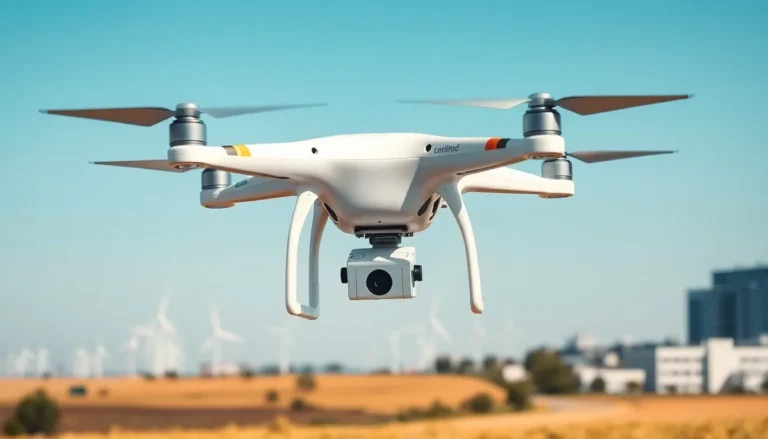
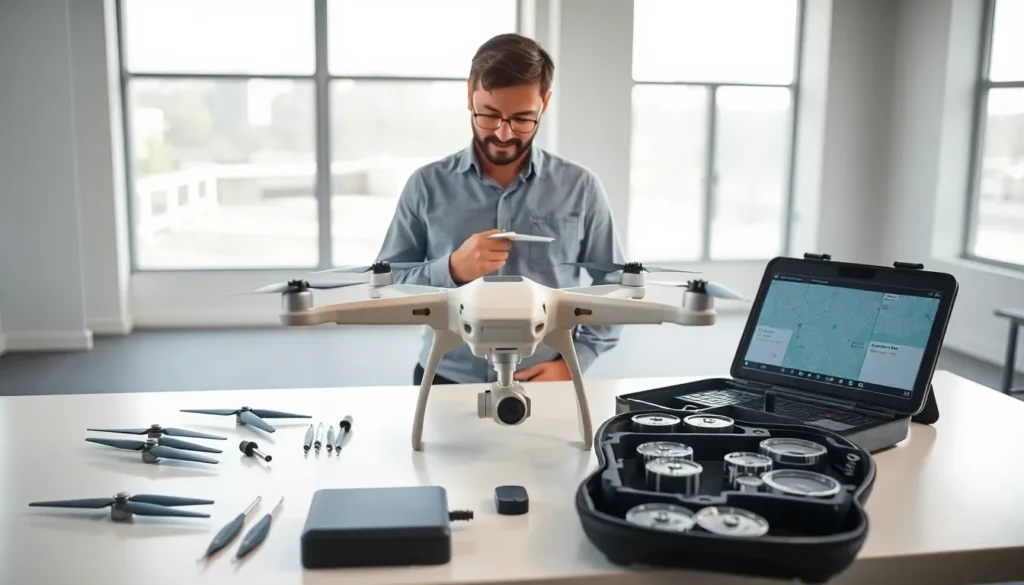

Drone tools make the difference between frustrating flights and smooth operations. Whether someone flies recreationally or professionally, the right equipment keeps their aircraft in peak condition and extends its lifespan. Many pilots focus on the drone itself but overlook the accessories that prevent crashes, save money on repairs, and improve overall performance.
This guide covers the essential drone tools every pilot should own. From flight planning software to battery chargers and carrying cases, each category addresses a specific need. New pilots will learn what to buy first. Experienced operators will find ways to upgrade their current setup.
Table of Contents
ToggleKey Takeaways
- Essential drone tools include flight planning software, maintenance equipment, battery chargers, and protective carrying cases to keep your aircraft flying safely.
- Flight planning apps like DJI Fly, Litchi, and AirMap help pilots check airspace restrictions and weather conditions before every flight.
- Basic repair drone tools such as precision screwdrivers, hex keys, and propeller removal tools handle most common maintenance tasks in the field.
- Proper battery management with quality chargers, voltage checkers, and LiPo-safe bags protects your most expensive consumable and prevents dangerous malfunctions.
- Hard cases from brands like Pelican and Nanuk offer maximum protection during transport, while backpack-style cases provide portability for outdoor adventures.
- Performance-enhancing accessories like ND filters, landing pads, and range extenders help pilots capture better footage and fly more confidently.
Flight Planning and Navigation Software
Good drone tools start with reliable flight planning software. These applications help pilots check airspace restrictions, weather conditions, and no-fly zones before takeoff. Skipping this step can result in fines, lost drones, or dangerous situations.
Popular options include DJI Fly, Litchi, and AirMap. Each offers different features depending on the pilot’s needs. DJI Fly works seamlessly with DJI aircraft and provides real-time weather updates. Litchi allows waypoint missions and autonomous flight paths. AirMap focuses on airspace awareness and regulatory compliance.
Pilots should also consider apps that track flight logs and maintenance schedules. These records prove useful for insurance claims and commercial certifications. Some software even alerts users when firmware updates become available.
Offline maps deserve attention too. Cellular service disappears in remote areas, leaving pilots without critical navigation data. Downloading maps beforehand solves this problem. Most major flight planning apps support offline functionality, though pilots need to activate it manually before heading out.
Maintenance and Repair Tools
Drones require regular maintenance to fly safely. Basic drone tools for repairs include precision screwdrivers, hex keys, and tweezers. These handle most common tasks like tightening loose screws and replacing propellers.
A multitool designed for drones consolidates several implements into one compact device. Many include Phillips and flathead screwdrivers, wrenches, and bottle openers (because why not?). Pilots should keep one in their flight bag at all times.
Propeller removal tools save time and prevent finger injuries. Some props attach with spring-loaded clips that pinch when removed by hand. A dedicated tool makes swaps faster and safer. Replacement propellers themselves count as essential supplies, cracked or bent blades affect stability and drain battery life.
Compressed air cans clean dust from motors and cameras without causing damage. Cotton swabs handle tighter spaces. Microfiber cloths keep lenses spotless for clear footage. Pilots flying near sand or saltwater need to clean their equipment after every session.
For more serious repairs, heat guns help with motor replacements and soldering work. But, most pilots should leave major fixes to authorized service centers. Improper repairs void warranties and create safety hazards.
Battery Management Equipment
Batteries represent the most expensive consumable in drone operations. Proper battery management drone tools protect this investment and prevent dangerous malfunctions.
A quality charger charges multiple batteries simultaneously. This matters for commercial pilots who need several ready-to-fly batteries each day. Look for chargers with balance charging capability, this feature ensures each cell reaches the same voltage, which extends overall lifespan.
Battery voltage checkers provide quick health assessments without specialized software. Pilots can test cells before flights and identify weak batteries before they fail mid-air. Some units display individual cell voltages, making it easy to spot imbalances.
LiPo-safe bags contain potential fires during charging and storage. Lithium polymer batteries occasionally catch fire when damaged or overcharged. These fireproof bags limit damage if something goes wrong. They’re inexpensive insurance against catastrophic accidents.
Storage chargers keep batteries at optimal voltage during long periods of non-use. Storing fully charged or fully depleted batteries damages cells over time. The ideal storage voltage sits around 3.8V per cell. Smart chargers offer dedicated storage modes that automate this process.
Temperature also affects battery performance. Cold weather reduces capacity significantly. Some pilots use hand warmers or insulated battery bags to maintain warmth before flights. Hot conditions present opposite challenges, batteries left in direct sunlight can swell or catch fire.
Carrying Cases and Storage Solutions
Protection during transport matters as much as maintenance. Proper carrying cases shield drones from impacts, moisture, and temperature extremes. Cheap bags lead to expensive repairs.
Hard cases offer maximum protection. Brands like Pelican and Nanuk produce virtually indestructible options with customizable foam inserts. Pilots cut the foam to fit their specific drone model, controller, and accessories. These cases handle airline baggage handlers, off-road vehicles, and accidental drops.
Backpack-style cases balance protection with portability. Hikers and outdoor photographers prefer these for hands-free transport. Quality backpacks include padded compartments for drones, batteries, and controllers. Look for water-resistant materials and comfortable straps.
Soft cases work for local transport and indoor storage. They weigh less and cost less than hard alternatives. But, they provide minimal impact protection. These suit pilots who drive carefully and store drones in climate-controlled spaces.
Drone tools need organization too. Small pouches and zippered compartments keep screwdrivers, spare props, and cables from rattling around. Velcro straps secure loose items. Labeling helps pilots find what they need quickly during field repairs.
Accessories for Enhanced Performance
Beyond basics, several drone tools improve flight quality and expand creative possibilities.
ND filters reduce light entering the camera sensor. This allows slower shutter speeds for cinematic motion blur on bright days. Most professional drone videographers consider ND filters mandatory equipment. Sets typically include ND4, ND8, ND16, and ND32 options for different lighting conditions.
Landing pads protect cameras and gimbals from dust, grass, and debris during takeoff and landing. Folding designs pack flat for easy transport. Bright colors also help pilots spot their aircraft from a distance.
Range extenders boost signal strength between controllers and drones. These parabolic or dish-shaped attachments focus radio waves more efficiently. Pilots flying at maximum distances or in areas with interference benefit most. Some models double effective range.
Tablet holders replace smartphone mounts on many controllers. Larger screens show more detail during flight and improve obstacle visibility. Adjustable arms accommodate different tablet sizes.
Extra memory cards prevent missed shots. High-capacity SD cards fill up quickly during 4K video recording. Pilots should carry multiple cards and swap them between flights. Fast write speeds matter for high-bitrate footage, look for V30 or V60 ratings.