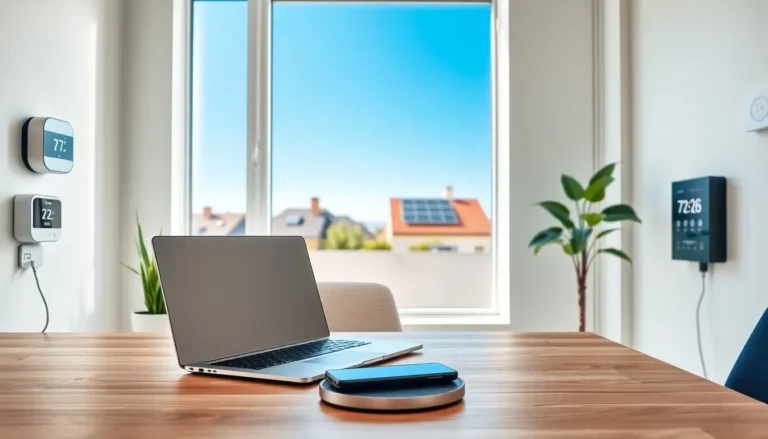
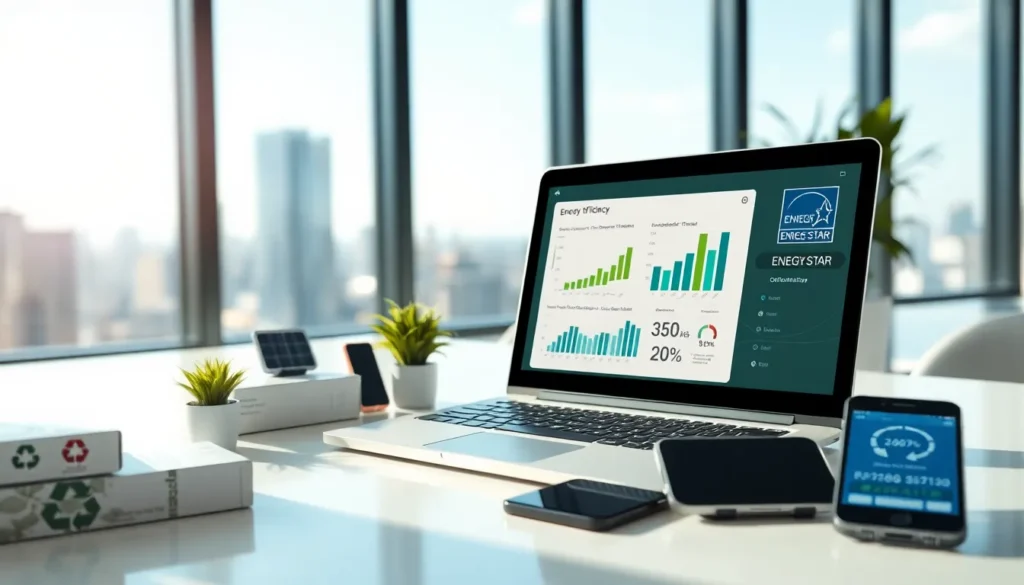

This sustainable technology guide helps readers make smarter, eco-friendly tech decisions. The demand for green electronics and energy-efficient devices grows every year. Consumers want products that perform well and reduce environmental harm. This guide explains what sustainable technology means, why it matters, and how anyone can adopt it. Readers will learn practical steps to evaluate products and shift toward greener choices without sacrificing quality or convenience.
Table of Contents
ToggleKey Takeaways
- A sustainable technology guide helps consumers choose eco-friendly devices that minimize environmental impact throughout their entire lifecycle.
- Look for trusted certifications like ENERGY STAR, EPEAT, and TCO Certified to verify genuine sustainability claims.
- Energy-efficient devices and renewable energy systems lower both your carbon footprint and long-term electricity costs.
- Prioritize repairability and modular designs to extend device lifespans and reduce electronic waste.
- Start your sustainable tech journey by auditing energy use, replacing high-impact items first, and buying refurbished electronics.
- Always recycle old electronics through manufacturer take-back programs or certified recyclers to recover valuable materials safely.
What Is Sustainable Technology?
Sustainable technology refers to products and systems designed to minimize environmental impact. These technologies use fewer natural resources, generate less waste, and often rely on renewable energy sources.
Several categories fall under this umbrella:
- Energy-efficient devices: Laptops, smartphones, and appliances that consume less power during operation.
- Renewable energy systems: Solar panels, wind turbines, and battery storage solutions for homes and businesses.
- Recyclable electronics: Gadgets built with materials that can be recovered and reused at end of life.
- Low-carbon manufacturing: Products made through processes that emit fewer greenhouse gases.
Sustainable technology also includes software solutions. Cloud computing platforms that run on renewable energy, apps that help users track their carbon footprint, and digital tools that reduce paper usage all qualify.
The key distinction lies in lifecycle thinking. A truly sustainable tech product considers environmental impact from raw material extraction through manufacturing, use, and disposal. Companies like Fairphone and Framework build modular devices that users can repair and upgrade. This approach extends product lifespan and reduces electronic waste.
Sustainable technology doesn’t mean sacrificing performance. Many green products match or exceed conventional alternatives in speed, reliability, and features. The difference shows up in how they’re made and what happens when they’re no longer needed.
Benefits of Choosing Green Tech
Choosing sustainable technology delivers advantages for individuals, businesses, and the planet. Here’s what green tech offers:
Environmental Impact
Green tech reduces carbon emissions and conserves natural resources. A single energy-efficient laptop can save hundreds of kilowatt-hours over its lifetime. Solar-powered devices eliminate reliance on fossil fuels entirely. When millions of consumers make these choices, the collective impact becomes significant.
Electronic waste poses a growing problem globally. The UN reported that the world generated 62 million metric tons of e-waste in 2022. Sustainable technology addresses this through better design and recyclability.
Cost Savings
Energy-efficient devices lower electricity bills. LED lighting uses 75% less energy than incandescent bulbs and lasts 25 times longer. Smart thermostats can cut heating and cooling costs by 10-15% annually. The upfront cost of sustainable tech often pays for itself within months or years.
Repairability matters too. A modular laptop that accepts replacement parts costs less to maintain than a sealed device that requires complete replacement when one component fails.
Health and Safety
Many conventional electronics contain toxic materials like lead, mercury, and cadmium. Sustainable technology manufacturers avoid these substances or handle them responsibly. This protects workers in manufacturing facilities and reduces toxic exposure for end users.
Brand Reputation
Businesses that adopt sustainable technology demonstrate environmental responsibility. Customers increasingly prefer companies with strong environmental practices. A 2023 survey found that 78% of consumers consider sustainability when making purchasing decisions.
How to Evaluate Sustainable Tech Products
Not every product labeled “green” delivers on its promises. Smart consumers need criteria to separate genuine sustainable technology from marketing spin.
Check for Certifications
Look for recognized third-party certifications:
- ENERGY STAR: Indicates products meet strict energy efficiency standards set by the U.S. Environmental Protection Agency.
- EPEAT: Rates electronics on environmental performance across their lifecycle.
- TCO Certified: Covers IT products and ensures social and environmental responsibility.
- B Corp Certification: Indicates the company meets high standards for social and environmental performance.
These certifications require independent verification. They carry more weight than vague claims like “eco-friendly” or “green.”
Examine Material Sourcing
Sustainable technology uses responsibly sourced materials. Check whether manufacturers disclose their supply chains. Conflict-free minerals, recycled plastics, and sustainably harvested metals all indicate better practices.
Some companies publish detailed sustainability reports. These documents reveal carbon footprint data, waste reduction targets, and supplier audits.
Assess Repairability
Products designed for repair last longer. iFixit publishes repairability scores for popular devices. Higher scores mean users can replace batteries, screens, and other components without specialized tools or expensive service visits.
The European Union now requires manufacturers to provide spare parts for certain electronics. This regulation pushes the industry toward more repairable designs.
Consider End-of-Life Options
What happens when the product reaches the end of its useful life? Responsible manufacturers offer take-back programs, recycling services, or trade-in incentives. Some companies refurbish old devices and resell them at lower prices.
Practical Ways to Adopt Sustainable Technology
Anyone can start using sustainable technology today. These practical steps make the transition easier:
Start with Energy Audits
Identify which devices consume the most power. Kill-A-Watt meters and smart plugs measure electricity usage for individual appliances. This data reveals where upgrades will have the biggest impact.
Replace High-Impact Items First
Focus on devices that run constantly or consume significant energy. Refrigerators, HVAC systems, and water heaters typically offer the largest savings potential. Replace old incandescent bulbs with LEDs immediately, the payback period is measured in months.
Extend Device Lifespans
The most sustainable device is often the one already owned. Regular maintenance, protective cases, and timely repairs keep electronics working longer. Upgrading RAM or storage can revive an aging computer for several more years of service.
Buy Refurbished
Refurbished electronics offer excellent value with lower environmental impact. Certified refurbished products from manufacturers or authorized resellers come with warranties and perform like new devices.
Choose Renewable Energy
Solar panels have dropped 90% in cost since 2010. Homeowners can now generate their own electricity affordably. For renters or those without suitable rooftops, community solar programs and green utility plans provide alternatives.
Recycle Responsibly
Never throw electronics in regular trash. E-waste contains valuable materials and hazardous substances. Many retailers accept old devices for recycling. Manufacturer take-back programs often handle shipping and processing at no cost.