
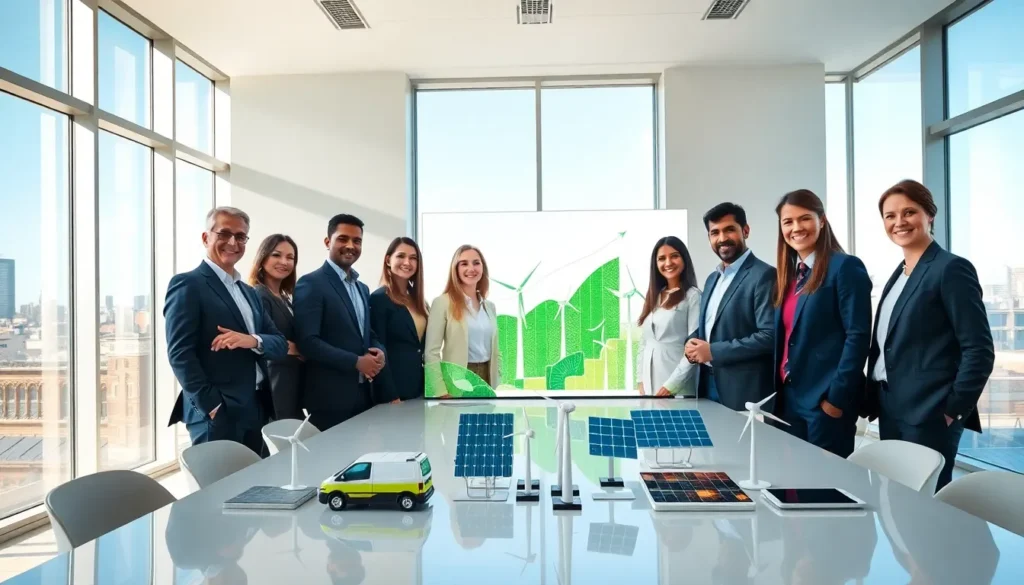

Sustainable technology reshapes how industries operate, build, and consume resources. It refers to innovations designed to reduce environmental harm while meeting human needs. From solar panels to biodegradable packaging, sustainable technology touches nearly every sector of modern life.
This guide explains what sustainable technology means, its core principles, and real-world applications. Readers will learn the benefits businesses and individuals gain from adopting these solutions. The article also covers challenges facing green innovation and what lies ahead.
Table of Contents
ToggleKey Takeaways
- Sustainable technology refers to innovations that minimize environmental harm through resource efficiency, low emissions, and long-term viability.
- The global sustainable technology market is projected to grow from $15.2 billion in 2024 to $61.9 billion by 2030, driven by consumer demand and stricter regulations.
- Core principles include renewable resource use, circular design, energy efficiency, and low carbon footprint to ensure genuine environmental benefits.
- Real-world applications span clean energy systems, electric vehicles, green buildings, sustainable agriculture, and advanced waste reduction technologies.
- Adopting sustainable technology delivers cost savings, regulatory compliance, stronger brand value, and reduced business risk over time.
- Challenges like high upfront costs, infrastructure gaps, and supply chain issues remain, but falling costs and AI advancements are accelerating adoption.
Defining Sustainable Technology
Sustainable technology describes tools, systems, and processes that minimize negative environmental impact. These innovations use fewer natural resources, generate less waste, and produce lower emissions than traditional alternatives.
The term covers a wide range of products and practices. Electric vehicles, wind turbines, and energy-efficient appliances all qualify as sustainable technology. Software that optimizes supply chains to reduce carbon footprints also fits this category.
Three main criteria define sustainable technology:
- Resource efficiency: The technology uses materials and energy sparingly
- Low environmental impact: Production and use create minimal pollution or ecosystem damage
- Long-term viability: The solution remains effective without depleting finite resources
Sustainable technology differs from conventional alternatives in its lifecycle approach. Engineers consider environmental effects from raw material extraction through disposal. This “cradle-to-grave” thinking produces cleaner outcomes at every stage.
The global sustainable technology market reached $15.2 billion in 2024. Analysts project growth to $61.9 billion by 2030. This expansion reflects rising consumer demand and stricter environmental regulations worldwide.
Key Principles of Sustainable Tech
Several core principles guide sustainable technology development. These foundations ensure innovations deliver genuine environmental benefits.
Renewable Resource Use
Sustainable technology prioritizes renewable inputs over finite ones. Solar, wind, and hydroelectric power replace fossil fuels. Plant-based materials substitute for petroleum-derived plastics. This shift reduces dependence on resources that cannot replenish themselves.
Circular Design
Circular design keeps materials in use as long as possible. Products are built for repair, reuse, and recycling. When something reaches end-of-life, its components become inputs for new items. This approach cuts waste and extraction needs dramatically.
Energy Efficiency
Every sustainable technology aims to accomplish more with less energy. LED lighting uses 75% less electricity than incandescent bulbs. Modern data centers employ advanced cooling systems that slash power consumption. These gains multiply across millions of devices and facilities.
Low Carbon Footprint
Reduction of greenhouse gas emissions drives much sustainable technology innovation. Carbon capture systems, electric transportation, and renewable energy generation all target this goal. Companies increasingly measure their carbon footprints and invest in technology to shrink them.
Biodegradability and Non-Toxicity
Sustainable technology avoids harmful chemicals and creates products that break down safely. Biodegradable packaging replaces persistent plastics. Non-toxic manufacturing processes protect workers and communities. These choices prevent long-term environmental contamination.
Examples of Sustainable Technology in Action
Sustainable technology appears across industries today. These real-world applications demonstrate green innovation’s practical potential.
Clean Energy Systems
Solar panels convert sunlight directly into electricity without emissions. Wind farms generate power from moving air. Both technologies have dropped in cost by over 80% since 2010, making them competitive with fossil fuels. Battery storage systems now retain this renewable energy for use when the sun doesn’t shine or wind doesn’t blow.
Electric Transportation
Electric vehicles (EVs) produce zero tailpipe emissions. Major automakers have committed to phasing out internal combustion engines by 2035. Electric buses, trucks, and even aircraft are entering production. Charging infrastructure expands rapidly in cities worldwide.
Green Building Technology
Smart thermostats reduce heating and cooling energy use by 10-15%. High-performance insulation keeps buildings comfortable with less energy input. Green roofs absorb rainwater and provide natural cooling. These sustainable technology solutions transform construction and property management.
Sustainable Agriculture
Precision farming uses sensors and AI to apply water and fertilizer only where needed. Vertical farms grow produce in stacked indoor layers, using 95% less water than traditional methods. Lab-grown proteins offer alternatives to resource-intensive livestock farming.
Waste Reduction Tech
Advanced recycling facilities sort materials automatically using AI vision systems. Composting technology breaks down organic waste into useful soil amendments. Some startups convert plastic waste back into usable chemical feedstocks.
Benefits of Adopting Sustainable Technology
Organizations and individuals gain significant advantages from sustainable technology adoption.
Cost Savings
Energy-efficient equipment lowers utility bills immediately. Solar installations can pay for themselves within 6-10 years. Electric vehicles cost less to fuel and maintain than gas-powered cars. These savings compound over time, often exceeding initial investment premiums.
Regulatory Compliance
Governments worldwide tighten environmental standards. Companies using sustainable technology meet these requirements more easily. Early adopters avoid costly retrofits when regulations change. They also qualify for tax incentives and grants supporting green innovation.
Brand Value
Consumers increasingly prefer environmentally responsible brands. Studies show 66% of global consumers will pay more for sustainable products. Sustainable technology adoption signals commitment to environmental values. This positioning attracts customers, investors, and talented employees.
Risk Reduction
Dependence on fossil fuels creates exposure to price volatility. Sustainable technology reduces this vulnerability. Diversified energy sources protect against supply disruptions. Companies with strong environmental practices also face fewer regulatory penalties and lawsuits.
Environmental Protection
The most obvious benefit remains environmental improvement. Each sustainable technology adoption reduces pollution, conserves resources, or cuts emissions. These individual actions aggregate into meaningful planetary impact when millions participate.
Challenges and Future Outlook
Even though progress, sustainable technology faces real obstacles. Understanding these challenges helps stakeholders plan effective responses.
High Initial Costs
Many sustainable technology solutions require significant upfront investment. Solar installations, EV purchases, and facility upgrades demand capital that some organizations lack. While lifetime costs favor green options, budget constraints delay adoption.
Infrastructure Gaps
EV charging networks remain sparse in rural areas. Recycling facilities cannot process all material types. Grid systems need upgrades to handle distributed renewable generation. Filling these gaps requires coordinated public and private investment.
Technical Limitations
Battery energy density still restricts EV range and renewable storage capacity. Some industrial processes lack viable low-carbon alternatives today. Continued research and development will address these gaps, but breakthroughs take time.
Supply Chain Issues
Sustainable technology depends on specific materials like lithium, cobalt, and rare earth elements. Mining these resources creates its own environmental concerns. Building ethical, sustainable supply chains for green products remains an ongoing challenge.
Future Trends
Several developments will shape sustainable technology’s trajectory. Artificial intelligence optimizes energy use and accelerates materials discovery. Green hydrogen offers promise for hard-to-decarbonize sectors. Carbon capture technology improves continuously. Policy support strengthens as climate concerns intensify.
Experts predict sustainable technology will become standard practice rather than an alternative within the next decade. Falling costs and improving performance drive this shift. Market forces increasingly favor green innovation over conventional approaches.