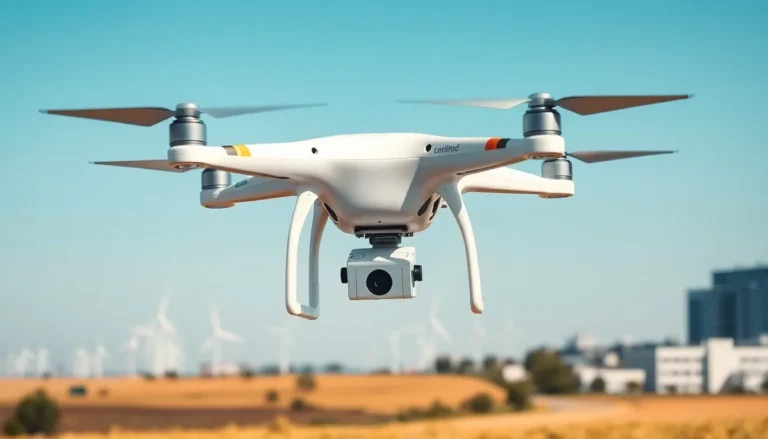
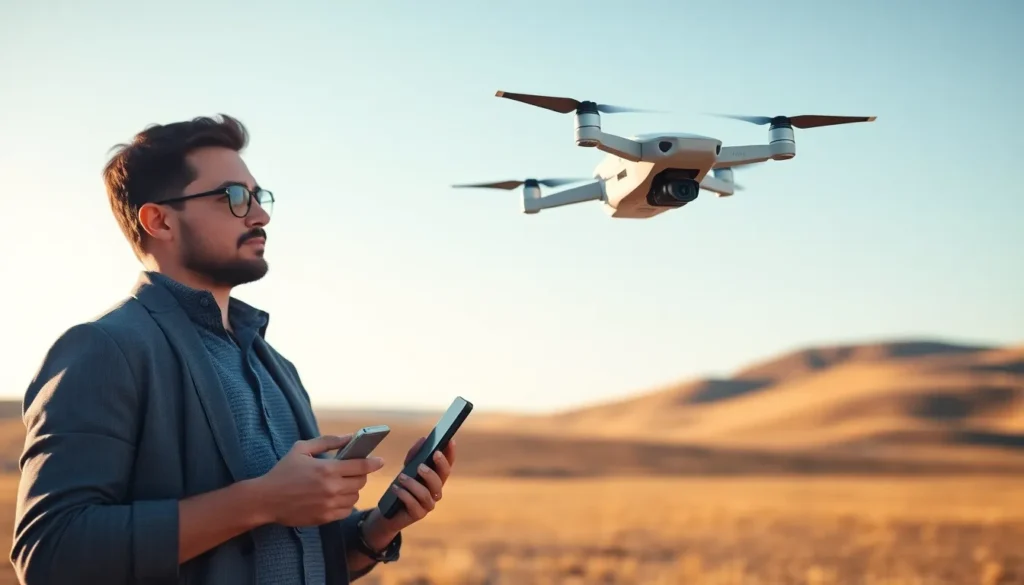

Drone techniques separate skilled pilots from beginners who crash into trees. Whether someone flies for fun or captures stunning aerial shots for clients, mastering the right skills makes all the difference. Modern drones offer incredible capabilities, but the technology only performs as well as the person behind the controls.
This guide covers essential drone techniques every pilot should know. From basic flight maneuvers to advanced photography methods, these skills build confidence and produce better results. Beginners will find a solid foundation here, while experienced pilots can refine their existing abilities.
Table of Contents
ToggleKey Takeaways
- Mastering basic drone techniques like hovering, takeoff, and landing builds a strong foundation for advanced flying skills.
- Aerial photography methods such as reveal shots, orbits, and tracking shots transform ordinary footage into professional-quality content.
- Flying in manual mode and practicing coordinated movements give pilots precise creative control that automated modes cannot match.
- Always complete a pre-flight checklist covering battery levels, propeller condition, and GPS signal to prevent avoidable crashes.
- Understanding airspace rules and maintaining situational awareness are essential safety practices every drone pilot must follow.
- Practice drone techniques at slow speeds in open areas before attempting complex maneuvers or flying in challenging conditions.
Mastering Basic Flight Maneuvers
Every skilled drone pilot started with the basics. These fundamental drone techniques form the building blocks for everything else.
Hovering and Stability Control
Hovering sounds simple, but it requires practice. A pilot should hold the drone steady at a fixed altitude without drifting. Start in a calm area with minimal wind. Keep the drone at eye level and practice maintaining position for 30 seconds, then a minute, then longer.
The key is making small, gentle stick inputs. New pilots often overcorrect, which causes the drone to wobble. Smooth movements keep the aircraft stable.
Takeoff and Landing
Clean takeoffs and landings prevent crashes and protect expensive equipment. For takeoff, ensure the drone sits on a flat surface. Slowly raise the throttle until the drone lifts off, then climb to a safe hovering altitude.
Landing requires the opposite approach. Descend slowly and keep the drone centered over the landing spot. Rushing this step causes hard landings that damage gimbals and propellers.
Basic Directional Movement
Once hovering feels comfortable, pilots can practice forward, backward, and side-to-side movement. Start with one direction at a time. Fly forward ten feet, stop, then return. Repeat this pattern for each direction.
These drone techniques build muscle memory. The goal is making controls feel natural, so pilots can focus on composition rather than flight mechanics.
Aerial Photography and Videography Techniques
Great aerial footage requires more than just flying a camera into the sky. Specific drone techniques turn ordinary shots into professional-quality content.
The Reveal Shot
This technique creates dramatic visual impact. The drone starts low, behind an obstacle like a hill or building. It then rises and moves forward to reveal a stunning landscape or subject. Timing matters here, the reveal should happen smoothly over several seconds.
Orbit and Point of Interest
Orbiting keeps the camera focused on a central subject while the drone circles around it. Many drones offer automated orbit modes, but manual orbits give pilots more creative control. The pilot flies in a circle while rotating the camera to maintain focus on the subject.
This technique works well for showcasing buildings, landmarks, and events.
Tracking Shots
Following a moving subject creates dynamic footage. The drone can lead the subject (flying backward), follow from behind, or track alongside. Maintaining consistent distance and smooth movement separates amateur footage from professional work.
Pilots should practice these drone techniques at slow speeds first. Faster subjects demand quicker reactions and better anticipation.
Camera Settings for Aerial Work
Shutter speed, frame rate, and ISO settings affect footage quality. For video, many professionals follow the 180-degree shutter rule, setting shutter speed at double the frame rate. Shooting at 24 fps means using a 1/50 shutter speed.
ND filters help achieve proper exposure in bright conditions while maintaining correct shutter speeds. These small details elevate the final product significantly.
Advanced Flying Skills for Experienced Pilots
Once basic drone techniques become second nature, pilots can explore more challenging maneuvers.
Flying in Manual Mode
Most consumer drones use GPS and sensors to maintain stability. Manual mode removes these assists. The drone responds directly to stick inputs without computer correction. This mode offers precise control for complex shots but requires constant attention.
Pilots should practice manual flight in open areas first. Small mistakes become big problems without GPS assistance.
Proximity Flying
Flying close to objects creates exciting footage but increases crash risk. Successful proximity flying requires knowing the drone’s exact dimensions and response characteristics. Start with larger gaps and gradually decrease distance as confidence grows.
Never attempt proximity flying near people. The risk of injury outweighs any creative benefit.
Coordinated Movements
Advanced shots often combine multiple inputs simultaneously. A pilot might climb while flying forward and panning the camera, three separate actions at once. These coordinated drone techniques produce cinematic results that automated modes cannot match.
Practice each component separately before combining them. Trying complex movements too soon leads to frustration and potential crashes.
Flying in Challenging Conditions
Wind, cold temperatures, and limited visibility test a pilot’s skills. Understanding how weather affects drone performance helps pilots adapt. Cold batteries drain faster. Wind requires constant correction. Low light makes obstacles harder to see.
Experienced pilots know their limits and the drone’s limits. Pushing too hard invites accidents.
Safety Practices and Pre-Flight Preparation
Good drone techniques include safety habits that protect people, property, and equipment.
Pre-Flight Checklist
Professional pilots follow a checklist before every flight. Key items include:
- Battery charge level (drone and controller)
- Propeller condition and secure attachment
- Firmware updates completed
- SD card inserted and formatted
- GPS signal strength
- Weather conditions check
Skipping these steps leads to preventable problems. A loose propeller can cause a crash. A dead controller battery ends the flight abruptly.
Understanding Airspace Rules
Drone pilots must follow local regulations. In the United States, the FAA sets rules for recreational and commercial operations. Flying near airports, over crowds, or above 400 feet without authorization breaks federal law.
Apps like B4UFLY help pilots check airspace restrictions before launching. Responsible pilots know the rules and follow them.
Situational Awareness
Always maintain visual contact with the drone. Watch for other aircraft, birds, and obstacles. Keep track of battery levels throughout the flight. Most drones need 20-30% battery remaining to return safely.
Good situational awareness prevents accidents. Pilots who focus only on the camera feed miss dangers in the environment.
Emergency Procedures
Every pilot should know what to do when things go wrong. If the drone loses signal, most models return to the home point automatically. If a motor fails, immediate landing prevents total loss of control.
Practicing emergency responses in safe conditions builds reflexes that work under pressure.