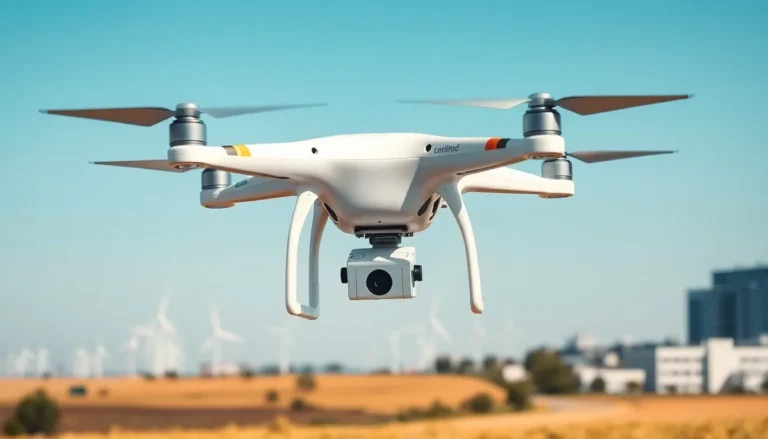
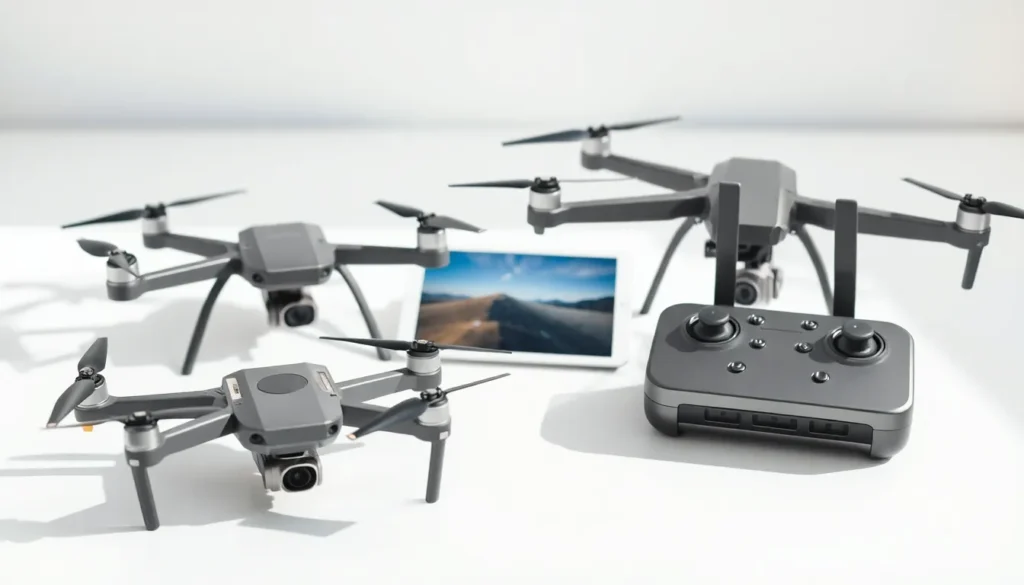

The best drones in 2025 offer something for everyone, whether you’re flying for the first time or capturing cinematic footage from 400 feet up. Drone technology has advanced rapidly, and prices have dropped across all categories. Today’s market includes affordable beginner models, professional-grade camera drones, and high-speed racing machines. This guide breaks down the top options by skill level and use case, so you can find the right drone without wasting money on features you don’t need.
Table of Contents
ToggleKey Takeaways
- The best drones in 2025 range from $99 beginner models to $10,000+ professional machines, so matching features to your skill level prevents overspending.
- DJI Mini 4K is the top beginner choice at $299, offering 4K video, 31-minute flight time, and no FAA registration required due to its sub-250g weight.
- For photography and videography, the DJI Air 3S ($1,099) and Mavic 3 Pro ($2,199) deliver professional-grade sensors and gimbal stabilization.
- Flight time ranges from 15–20 minutes on budget drones to 40+ minutes on professional models—always invest in extra batteries.
- Drones under 250 grams face fewer regulations in the US and Europe, making lightweight options ideal for hassle-free flying.
- Prioritize obstacle avoidance, camera quality, and range based on your intended use before purchasing any drone.
Top Picks for Beginners
New pilots need drones that are forgiving, affordable, and fun to fly. The best drones for beginners prioritize stability and ease of use over raw power.
The DJI Mini 4K stands out as the top entry-level choice in 2025. It weighs under 250 grams, which means no FAA registration is required in the United States. The Mini 4K offers 4K video recording, 31 minutes of flight time, and obstacle avoidance sensors. At around $299, it delivers excellent value.
The Holy Stone HS720G is another solid option. It features GPS-assisted flight, auto-return functions, and a 4K camera for under $350. The drone holds its position well in light wind, making it ideal for learning basic maneuvers.
For those on a tighter budget, the Ryze Tello remains a smart pick at just $99. It doesn’t have GPS or advanced cameras, but it’s nearly indestructible and teaches flight fundamentals effectively. DJI co-developed the flight controller, so the handling feels smooth.
Beginner drones typically include features like altitude hold, headless mode, and one-key return. These functions reduce crashes and build confidence quickly. Most new pilots graduate to intermediate drones within three to six months of regular practice.
Best Drones for Photography and Videography
Content creators and professionals demand more from their drones. The best drones for photography and videography combine high-resolution sensors, gimbal stabilization, and intelligent flight modes.
The DJI Air 3S leads this category in 2025. It features a 1-inch sensor capable of 50MP photos and 4K/120fps video. The three-axis gimbal keeps footage smooth during fast movements. Omnidirectional obstacle sensing prevents crashes while the pilot focuses on composition. Expect to pay around $1,099 for the standard package.
The DJI Mavic 3 Pro offers even more capability with a triple-camera system. It includes a Hasselblad main sensor, a medium telephoto lens, and a 7x zoom camera. Filmmakers appreciate the 5.1K video resolution and 43-minute maximum flight time. This drone costs approximately $2,199 but delivers broadcast-quality results.
For photographers who want portability, the DJI Mini 4 Pro punches above its weight class. Even though weighing just 249 grams, it captures 48MP RAW photos and 4K/60fps HDR video. The sub-250-gram weight class also means fewer regulatory restrictions in many countries.
These camera drones include features like ActiveTrack for following subjects, waypoint missions, and time-lapse modes. Built-in storage and quick-transfer options make editing workflows faster.
High-Performance Options for Experienced Pilots
Experienced pilots often prioritize speed, agility, or specialized capabilities. The best drones for advanced users push technical limits.
FPV racing drones represent one popular category. The DJI Avata 2 bridges the gap between consumer products and true racing quads. It reaches speeds over 60 mph and provides an immersive first-person flying experience through included goggles. The Avata 2 costs around $999 and includes crash protection that most racing drones lack.
Serious racers often build custom quads using frames from manufacturers like iFlight, Geprc, or BetaFPV. These custom builds can exceed 100 mph and require significant piloting skill. Expect to spend $400-$800 on components plus time for assembly and tuning.
The Autel Evo II Pro V3 appeals to professional photographers who want an alternative to DJI. It features a 1-inch sensor, 6K video, and 42-minute flight times. The adjustable aperture lens (f/2.8-f/11) gives photographers more creative control than fixed-aperture competitors.
For industrial applications, the DJI Matrice 350 RTK handles inspection, mapping, and search-and-rescue missions. It supports multiple payload options and operates in harsh weather conditions. This enterprise drone costs over $10,000 and requires specialized training.
Advanced pilots should also consider drones with manual flight modes, which disable some safety features for greater control.
Key Features to Consider Before Buying
Choosing the best drones requires matching features to intended use. Several factors matter most.
Flight time affects how much you accomplish per battery. Budget drones offer 15-20 minutes. Mid-range options hit 30-35 minutes. Professional drones can exceed 40 minutes. Extra batteries are essential regardless of category.
Camera quality depends on the sensor size and processing capabilities. Larger sensors capture better low-light footage and provide more detail. Look for at least 4K resolution and three-axis stabilization for serious content creation.
Range determines how far the drone can fly from the controller. Entry-level models typically max out around 1-2 kilometers. Professional drones reach 10+ kilometers, though legal restrictions often limit practical range.
Obstacle avoidance prevents expensive crashes. Basic drones have no sensors. Mid-tier drones include forward and downward sensors. Premium drones feature omnidirectional sensing that detects obstacles in all directions.
Weight matters for regulations. Drones under 250 grams face fewer restrictions in the US and Europe. Heavier drones require registration and sometimes pilot certification.
Controller options vary between dedicated remotes and smartphone apps. Dedicated controllers offer better range and tactile feedback. Some drones support both methods.
Buyers should also factor in repair costs, spare part availability, and software update frequency.